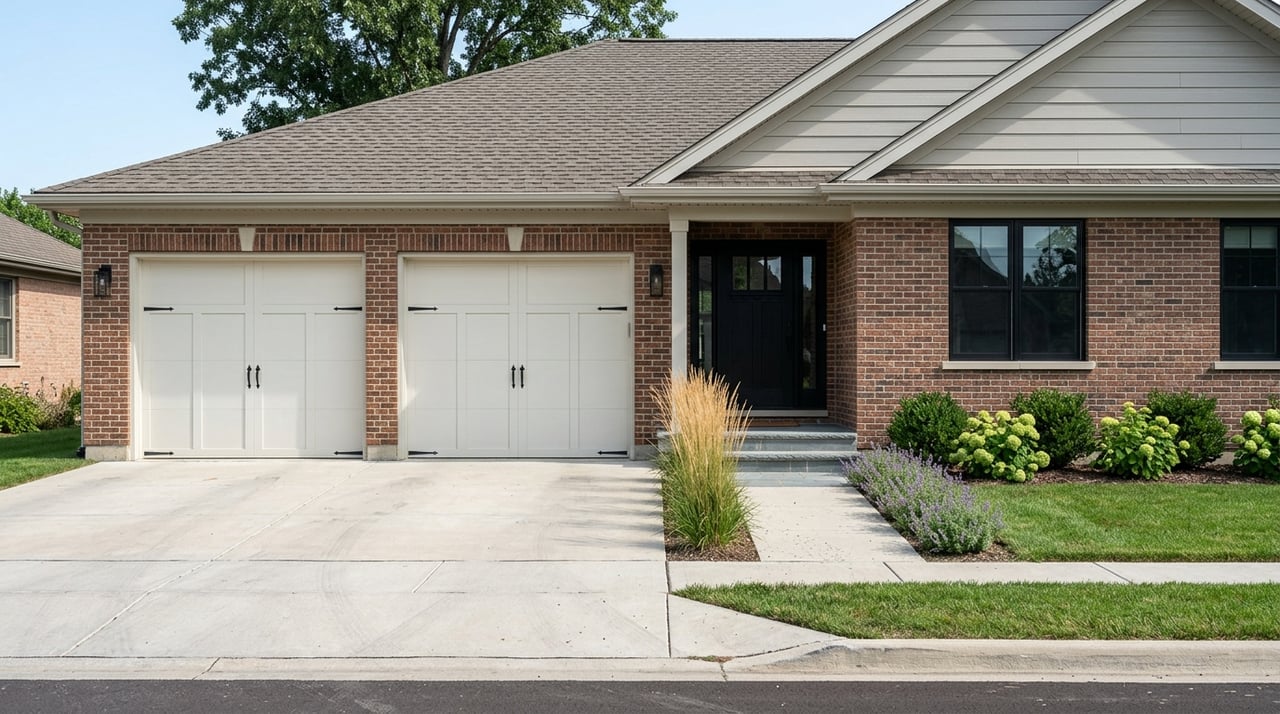
Elmhurst vs. Nearby Suburbs: How To Choose Your Next Home Base
May 7, 2026
May 7, 2026
Choosing between Elmhurst and nearby suburbs can feel harder than it should. Several western suburbs offer commuter rail, parks, dining, and established neighborhoods, so the right fit often comes down to which trade-offs matter most to you. If you are weighing lifestyle, housing options, and budget, this guide will help you compare the choices with more clarity. Let’s dive in.
Elmhurst stands out as a balanced premium option in western Chicagoland. The city combines a strong downtown identity, commuter rail access, established residential areas, and substantial park and trail access in one package.
Its housing stock also gives you variety without losing that mature suburban feel. Elmhurst’s city profile highlights newer custom homes, historic Sears homes, 1920s Spanish Revival houses, Chicago-style bungalows, and mid-century ranches and split-levels.
If you want a suburb that feels more than purely residential, Elmhurst checks that box. The city’s downtown plan describes a mixed-use core with a strong retail base and more than 25 restaurants, while the Metra station connects you to the Union Pacific West line and Pace service.
Outdoor access is another major part of the Elmhurst lifestyle. The Elmhurst Park District operates 30 parks totaling 458 acres and more than 10 miles of trails, with access to the Salt Creek Greenway Trail and Illinois Prairie Path.
For pricing context, Elmhurst’s median value of owner-occupied housing units is $545,400. That makes it an important benchmark when you compare nearby suburbs.
Before comparing towns, it helps to decide what you want your next home base to do for your daily life. Some buyers care most about downtown energy and train access, while others want more housing flexibility or a lower price point.
A simple way to narrow your search is to rank these priorities:
Once you know your top two or three priorities, the differences between Elmhurst and its neighbors become easier to read.
Downers Grove is one of the closest comparisons to Elmhurst. Its 2025 comprehensive-plan materials describe more than 20,000 housing units, with a housing base that is mostly single-family detached but also includes a meaningful multi-family component.
Like Elmhurst, Downers Grove offers a strong downtown and commuter-oriented lifestyle. The village describes a bustling downtown, and downtown materials highlight shops, restaurants, the Tivoli Theatre, and a mix of condos, apartments, and historic single-family homes near the station area.
Downers Grove also brings a large park footprint. Village and park district materials show nearly 600 acres of parks and facilities, which makes it one of the stronger choices for buyers who want room to spread out outdoors.
Its median home value is $449,800, which places it below Elmhurst. That can make it appealing if you want a lively downtown and rail access at a somewhat lower price point.
If you want the strongest all-around balance, Elmhurst remains the cleaner baseline. It combines an established downtown, rail access, architectural variety, and a price point that feels premium without reaching the top tier in this group.
If you want a bigger downtown footprint and strong station-area energy at a lower median home value, Downers Grove may be the better fit. It is a strong alternative for buyers who want many of the same lifestyle benefits with a bit more price flexibility.
Lombard offers one of the more mixed housing profiles in this group. Official village materials describe housing options across life stages, including single-family homes, townhomes, condos, and apartments.
That variety can matter if you want flexibility in housing type or are trying to stretch your budget. Single-family detached homes are still the largest share, but larger multi-unit housing plays a substantial role in the local inventory.
Lombard is also actively building its dining and downtown identity. The village supports restaurant growth, and its 2026 Restaurant Week featured more than 40 participating restaurants, cafés, bakeries, breweries, and eateries.
On the recreation side, the Lombard Park District says it has 17 sites totaling 458 acres, including major community spaces like Lilacia Park and Lombard Common. Lombard’s median home value is $335,700, making it the most price-efficient option in this comparison.
Elmhurst is the stronger choice if you want a more established premium feel, a rail-plus-downtown setup, and a housing profile that leans more toward distinctive detached homes. It tends to appeal to buyers looking for balance and long-term lifestyle consistency.
Lombard makes sense if price efficiency and housing flexibility matter most. If you are open to a broader mix of home types and want more room in your budget, Lombard offers a practical trade-off.
Westmont offers a smaller-scale alternative with direct BNSF commuter rail access. Its housing profile is more mixed than Elmhurst’s, with an even split between owner-occupied and rental housing, according to the village’s comprehensive plan.
The village describes downtown as the cornerstone of the community and is actively supporting future growth through rezonings, special events, and parking improvements. Community programming includes Cruisin’ Nights and Taste of Westmont, which adds regular activity to the downtown area.
Westmont Park District maintains more than 20 parks and open spaces totaling over 150 acres. Its median home value is $369,100, which gives it a more value-oriented profile than Elmhurst.
Choose Elmhurst if you want a broader park and trail network, a more established mixed-use downtown core, and a housing identity that feels more premium overall. It is the stronger fit for buyers who want a full-package suburb.
Choose Westmont if you prefer a smaller downtown, direct BNSF access, and a lower price point. It can be a smart option if commuter convenience and value matter more than a larger-scale town center.
Oak Brook is the premium outlier in this group. The village highlights world-class shopping, fine dining, abundant green space, and a median home value of $903,200.
That price point places Oak Brook well above Elmhurst and the other nearby suburbs in this comparison. Its local identity also reads differently, with more emphasis on destination shopping, dining, business, and open space.
For many buyers, Oak Brook is less about a classic rail-and-downtown village feel and more about a higher-end, destination-driven suburban setting. If that is what you want, it stands in a category of its own.
Elmhurst is the better match if you want a true downtown core, commuter rail, and a premium suburban lifestyle at a lower median home value than Oak Brook. It offers a more traditional town-based experience.
Oak Brook is the obvious step up if you are shopping in a much higher price tier and want a more destination-focused environment. The choice often comes down to whether you value town-center living or a higher-end regional destination feel.
If you are still sorting through options, this quick framework can help:
In many cases, there is no single best suburb for everyone. There is only the suburb that best matches the way you want to live day to day.
When buyers compare Elmhurst with nearby suburbs, they often start by asking which town is better. A more useful question is which town fits your routine, budget, and long-term plans with the fewest compromises.
Elmhurst earns its reputation because it does many things well at once. It offers a real downtown, commuter rail, architectural variety, and meaningful park access, which is why it serves as such a strong baseline in this part of DuPage County.
If you are planning a move in Elmhurst or another western suburb, having local guidance can save you time and help you compare options with more confidence. For tailored advice on where to focus your search, connect with Maranda Real Estate Group.
Stay up to date on the latest real estate trends.
If you are in pursuit of real estate agents whose dedication and drive are unparalleled, and who commit to serving your interests with the utmost efficiency and effectiveness, then your search concludes here.
130 W PARK AVE ELMHURST IL 60126 ALBANIA OFFICE MARANDA REAL ESTATE GROUP BLVD GJERGJ FISHTA 7 PALL SHALLVARE TIRANE ALBANIA