
How to List Your Elmhurst Home Step by Step
May 21, 2026
May 21, 2026
If you are thinking about selling in Elmhurst, timing matters, but strategy matters even more. Homes can move quickly here, yet the market data also shows that not every listing gets the same result. With the right prep, pricing, and launch plan, you can put your home in a stronger position from day one. Let’s dive in.
Elmhurst is an active spring 2026 market, and public data points to conditions that generally favor sellers. Depending on the source, median days on market range from about 27 to 45 days, and some homes receive multiple offers.
At the same time, citywide numbers do not tell the whole story. Reported values and timing vary by source, which means your list price should be based on recent comparable sales, your home’s condition, and your specific area within Elmhurst rather than one headline number.
That local detail is especially important because neighborhood-level variation exists inside Elmhurst. A polished, updated home in one part of town may attract a different response than a home with deferred maintenance or a less competitive price point in another.
In a market where homes may go pending quickly, delays can cost momentum. You want a clear plan before your home hits the market, including pricing, photography, staging decisions, and launch timing.
This is where working with a team that knows Elmhurst block by block can make a real difference. A strong listing strategy should be built around recent micro-comps, buyer expectations, and a presentation plan that helps your home stand out right away.
For some sellers, that may mean a straightforward market launch. For others, especially in higher price points, it may mean a more polished campaign with elevated creative, video, and broader exposure.
Before listing, Illinois sellers generally need to complete the Residential Real Property Disclosure Report for residential sales involving one to four dwelling units. The form is based on what you actually know about the property, and you are not required to conduct a special investigation to answer it.
Because the disclosure asks about issues like the roof, structure, foundation, flooding, and mechanical systems, it helps to gather your maintenance history and repair records in advance. If you discover an error or omission before closing, Illinois law also requires you to supplement the disclosure.
The disclosure form creates legal obligations, so many sellers choose to consult an attorney before completing it. It is also important to remember that the disclosure is not a substitute for inspections or warranties.
If your home was built before 1978, there is one more step. You must disclose any known lead-based paint information and provide the required lead-hazard pamphlet before a buyer signs a contract.
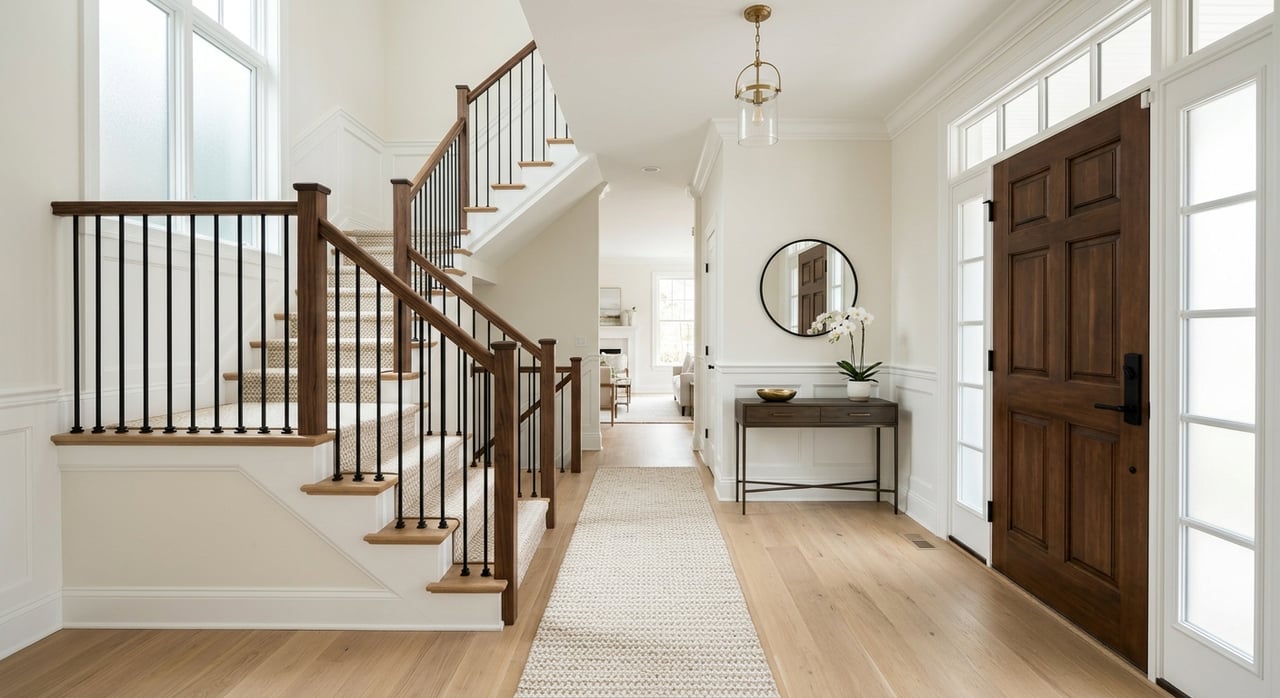
A short market window means first impressions carry extra weight. Buyers often decide quickly whether a home feels move-in ready, well cared for, and worth a closer look.
Focus on the basics that help your home show clearly:
Presentation is not about overdoing it. It is about helping buyers see the home’s layout, condition, and value without distraction.
This is one of the most important steps in the entire process. Elmhurst data shows a narrow gap between list price and sale price, with major trackers reporting sale-to-list ratios near asking price on average.
That means pricing high just to leave room for negotiation can backfire. The better goal is to enter the market with a number that matches current buyer expectations and reflects recent comparable sales nearby.
Pricing discipline still matters, even in a seller-leaning market. Public data also showed price drops on 14.0% of Elmhurst homes in March 2026, which is a useful reminder that buyers respond best to homes that feel correctly positioned from the start.
Once your home is ready, the launch should be sharp and timely. In a market where buyers may act fast, your first week can shape the entire trajectory of the listing.
A strong launch usually includes professional photography, clear property presentation, and prompt response to showing activity. If your home fits the luxury segment or has standout design features, higher-end creative and broader distribution may also help attract stronger attention.
The main goal is simple: make it easy for buyers to understand the home’s value the moment they see it. When a listing looks polished and well-positioned, it is easier to generate early interest and stronger offer activity.
Once the listing is live, buyer feedback becomes useful data. If showings are active and interest is strong, that can confirm your pricing and presentation are on track.
If activity is slower than expected, it may signal that buyers are hesitating over condition, presentation, or price. Since Elmhurst can move quickly, it is important to review this feedback early rather than waiting too long to adjust.
Fast response also matters during this stage. Timely communication around showings and buyer questions can help you maintain momentum when interest is highest.
When offers come in, it is tempting to focus only on price. But in Illinois, the contract process often involves financing, appraisal, inspection, and attorney review, so the strongest offer is not always the one with the highest headline amount.
You should also look at terms that affect the certainty of closing. A solid offer may combine a competitive price with fewer obstacles, clearer financing, or a smoother timeline.
When multiple offers are possible, careful comparison becomes even more important. The right decision is usually the offer that balances price with a realistic path to closing.
In the standard Illinois Multi-Board Residential Real Estate Contract 8.0, both sides’ attorneys have five business days after acceptance to approve the contract, disapprove it, or propose modifications. That means an accepted offer is an important milestone, but it is not always the final word.
During this window, contract terms may be clarified or adjusted. Staying organized and responsive can help keep the transaction moving forward without unnecessary stress.
This is one reason preparation before listing matters so much. The more complete your paperwork and disclosures are at the start, the smoother this stage tends to be.
After acceptance, inspection is often the next major point of negotiation. Under the standard contract, buyer inspection objections are commonly raised within five business days after acceptance, and unresolved issues can lead to termination if the parties do not reach agreement within ten business days.
That does not mean every inspection leads to trouble. It simply means you should be ready for requests, questions, or repair discussions after the buyer completes their inspection.
If the buyer is financing the purchase, appraisal can also affect the timeline. The contract ties financing to appraisal timing, so a smooth transaction still requires follow-through even after you have accepted an offer.
Disclosure duties do not end the moment you list your home. If you learn that a prior disclosure contains a material error or omission before closing, Illinois law requires you to update it.
That timing matters. If a material-defect disclosure is delivered after contract signing but before closing, the buyer may have five business days to terminate and recover earnest money.
The practical takeaway is simple: complete disclosures early, answer based on what you know, and update them promptly if something changes. That helps reduce surprises later in the transaction.
By the time you reach closing, most of the major negotiation points should already be resolved. The final stage usually involves confirming documents, final figures, and the transfer details.
Under the standard contract, real estate taxes, HOA fees, utilities, and similar items are generally prorated through the closing date. Real estate tax proration is based on the most recent ascertainable full-year tax bill.
Knowing this in advance can help you feel more prepared for the final settlement numbers. It also reinforces why a step-by-step plan matters from the beginning.
Elmhurst offers real opportunity for sellers, but speed does not replace strategy. Public data suggests many homes move in a short window, yet results still vary based on pricing, property condition, and neighborhood-level context.
That is why the best listing plans are both polished and practical. When you combine strong local comps, accurate disclosures, professional marketing, and careful offer review, you give yourself a better chance at a smoother sale and a stronger outcome.
If you are getting ready to list, the next best step is to build a pricing and launch plan around your specific home, not just the citywide averages. To start with a local, data-driven approach, connect with Maranda Real Estate Group.
Stay up to date on the latest real estate trends.





If you are in pursuit of real estate agents whose dedication and drive are unparalleled, and who commit to serving your interests with the utmost efficiency and effectiveness, then your search concludes here.

130 W PARK AVE ELMHURST IL 60126 ALBANIA OFFICE MARANDA REAL ESTATE GROUP BLVD GJERGJ FISHTA 7 PALL SHALLVARE TIRANE ALBANIA