Room-by-Room Lombard Home Staging Tips for Sellers
April 23, 2026
April 23, 2026
If you are getting ready to sell in Lombard, staging is not about making your home look fancy. It is about making it feel clean, spacious, and easy for buyers to picture as their future home. In a market where homes are still selling close to asking price on average, the details in your presentation can help support your price and attract stronger interest. Let’s dive in.
Lombard has been showing signs of a firm market. Realtor.com reported Lombard as a seller’s market in early 2026, with homes selling for about asking on average, while Redfin data cited in the same research pointed to a 100.7% sale-to-list ratio and 48.3% of homes selling above list price.
That does not mean presentation stops mattering. The same research suggests staging works best as a pricing-support strategy, especially when buyers are comparing homes online first and making quick decisions about which ones feel worth seeing in person.
According to the National Association of Realtors 2025 staging findings, 83% of buyers’ agents said staging made it easier for buyers to visualize a property as a future home. NAR also found that one in three buyers’ agents said clients were more likely to schedule a showing after seeing a staged home online.
Not every room needs the same level of attention. NAR’s 2025 data shows buyers’ agents ranked the living room, primary bedroom, and kitchen as the most important rooms to stage.
If your budget or time is limited, start there. Then work outward to the entry, dining room, bathrooms, and outdoor spaces so your home feels consistent from the first photo to the final walkthrough.
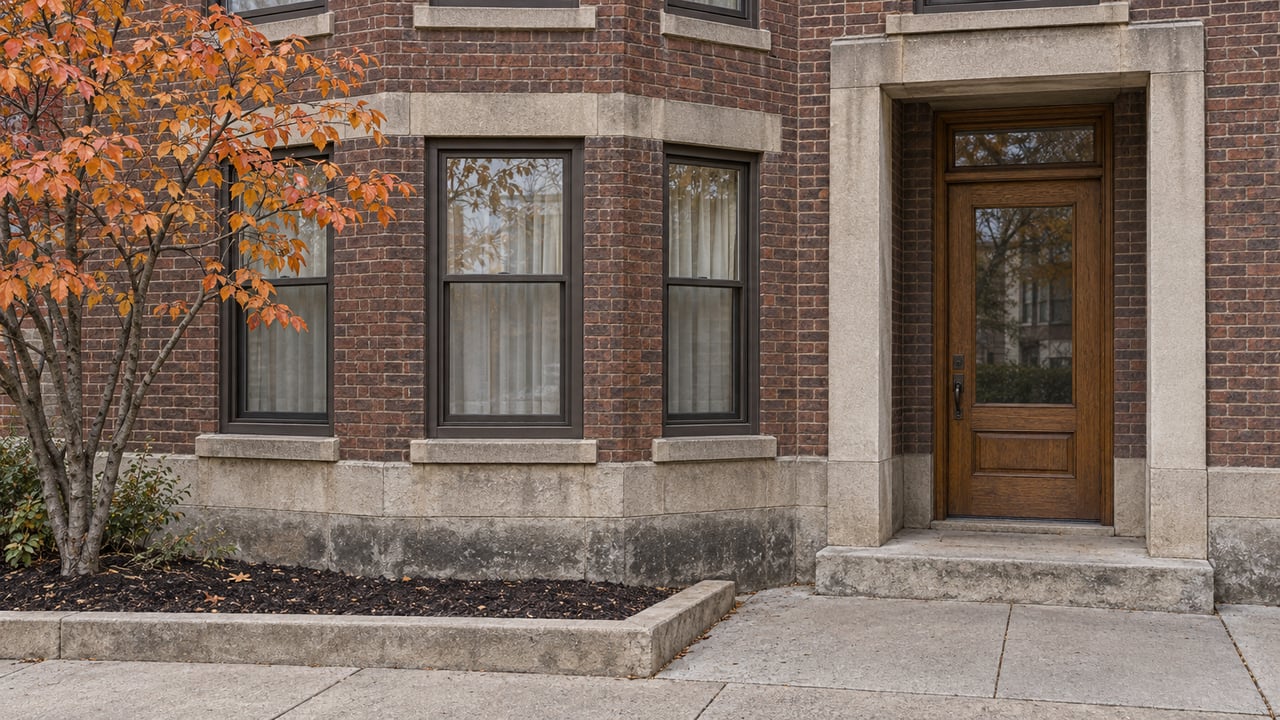
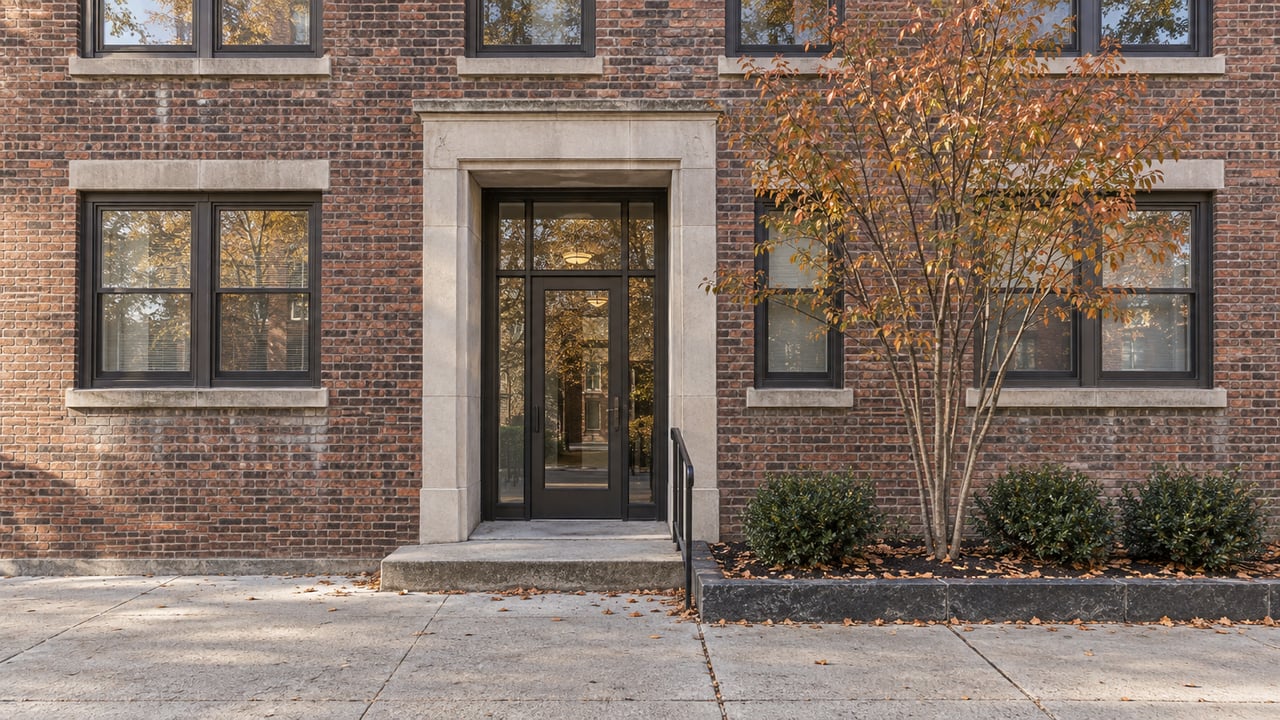
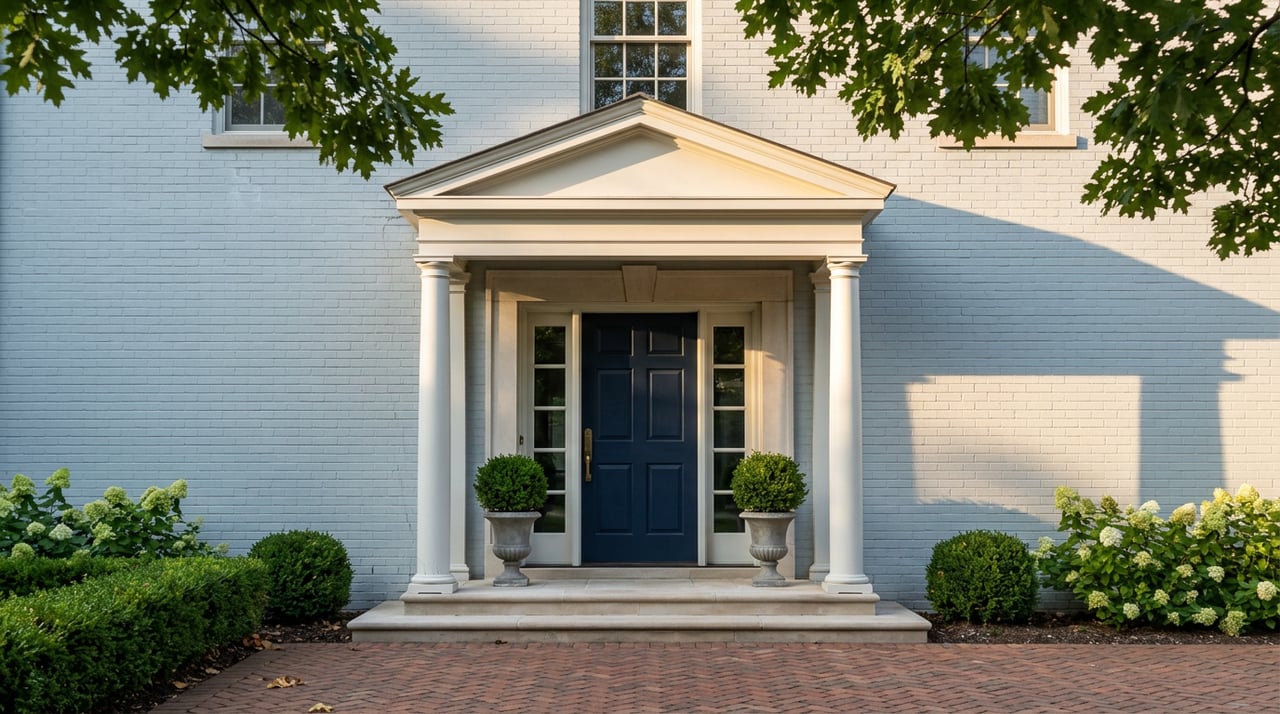
Your entry sets the tone fast. If the foyer feels crowded or messy, buyers may assume the rest of the home will too.
Keep this space open and bright. Remove shoes, coats, bags, mail, and any bulky furniture that makes the area feel tight. A clean rug, tidy door hardware, and one simple accent can be enough to make the entrance feel intentional without looking overdone.
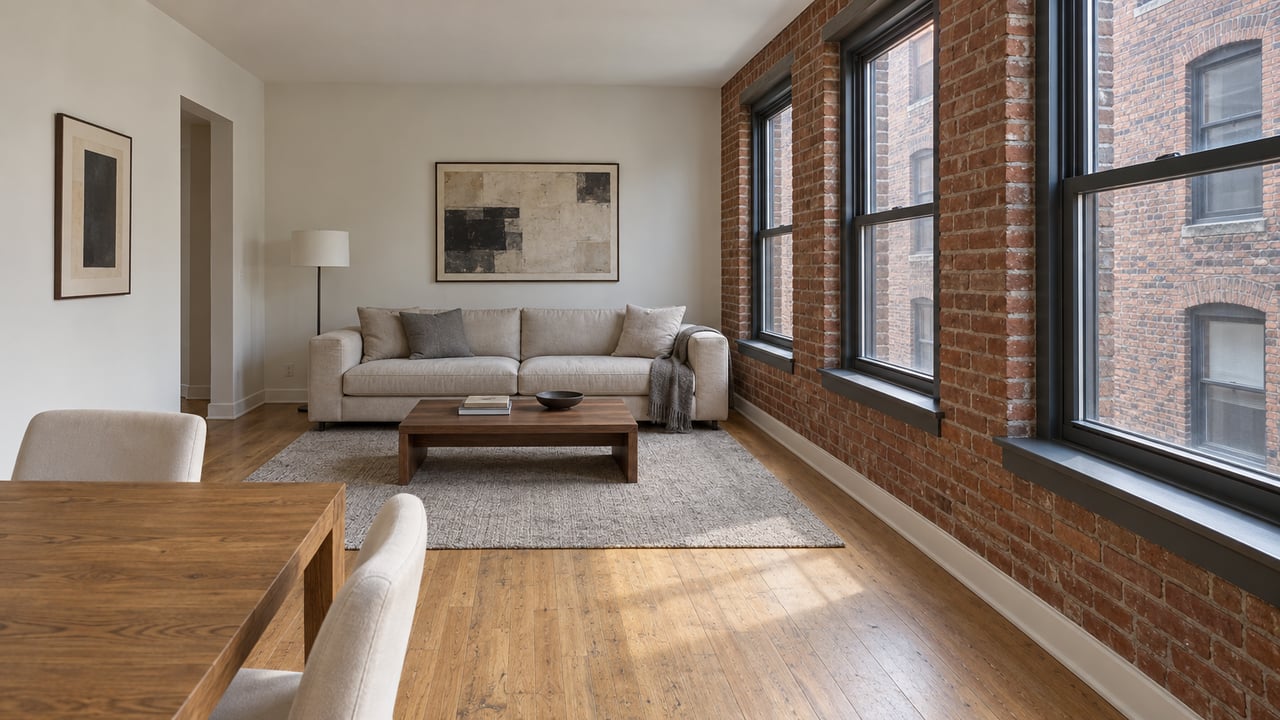
The living room is the most important room to stage based on NAR’s 2025 Profile of Home Staging. This is often where buyers decide whether a home feels comfortable, functional, and ready to enjoy.
Pull furniture off the walls and create a clear conversation area. Remove oversized pieces that make the room look smaller, hide cords, and edit bookshelves so they do not appear packed. Neutral pillows, throws, and simple artwork can help the space photograph well without adding visual noise.
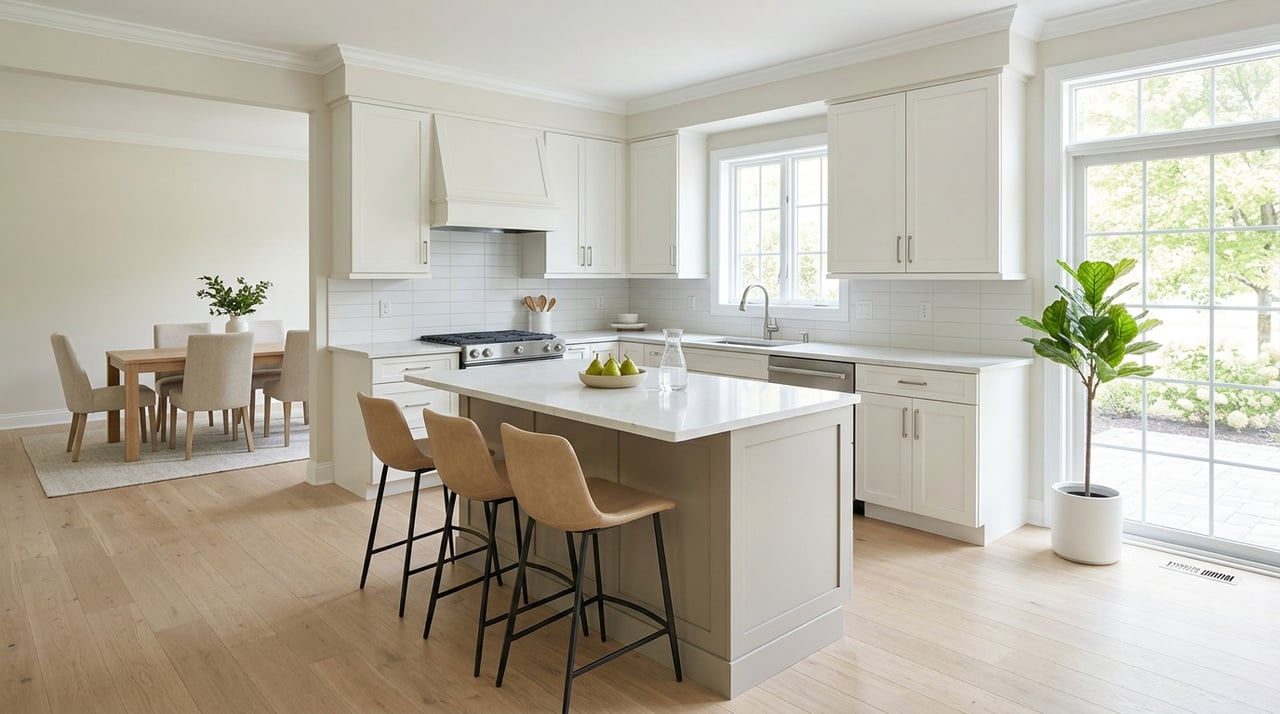
In many homes, the kitchen gets close attention in both photos and showings. Buyers do not need a brand-new kitchen to feel good about it, but they do want it to look clean, cared for, and spacious.
Clear counters almost completely so the workspace feels larger. Leave only one or two tidy items out, wipe down appliances, and remove magnets or papers from the refrigerator. If needed, small fixes like paint touch-ups, refreshed cabinet hardware, or re-grouting can improve the overall impression without a major remodel.
If your dining room doubles as an office, homework zone, or storage area in daily life, now is the time to give it one clear purpose. Buyers respond better when each room has an obvious function.
Use a table setting that fits the room without crowding it. Keep the centerpiece low and remove extra chairs or large furniture pieces that interrupt flow. The goal is not to decorate heavily, but to help buyers see how the room works.
The primary bedroom is one of the most important spaces to stage. Buyers tend to respond well to rooms that feel calm, simple, and restful.
Use clean bedding and keep decor minimal so the bed becomes the focal point. Coordinated lamps can help the room feel balanced. Remove personal items, extra bins, and anything that makes the room read like storage instead of a bedroom.
You do not need to spend heavily on every extra bedroom. NAR’s survey found guest bedrooms and children’s bedrooms were among the least commonly staged rooms.
That means your focus should be on cleanliness, floor space, and a clear use. Make the bed neatly, reduce clutter, and remove anything that distracts from the room’s size and layout. A simple, tidy setup is usually enough.
If one of your rooms functions as a home office, stage it with purpose. Buyers want to see usable space, not a catch-all room filled with cords, paperwork, and storage bins.
Keep the desk surface mostly clear and remove items that make the room feel cramped. A chair, lamp, and a few organized work essentials can help define the space while keeping it light and uncluttered.
Bathrooms do not need expensive upgrades to show well. In most cases, buyers are reacting to cleanliness first.
Scrub grout, refresh caulk if needed, clear off counters, and put out fresh towels. Minor repairs and re-grouting are both listed in NAR’s research as common seller prep steps. A polished bathroom sends the message that the home has been well maintained.
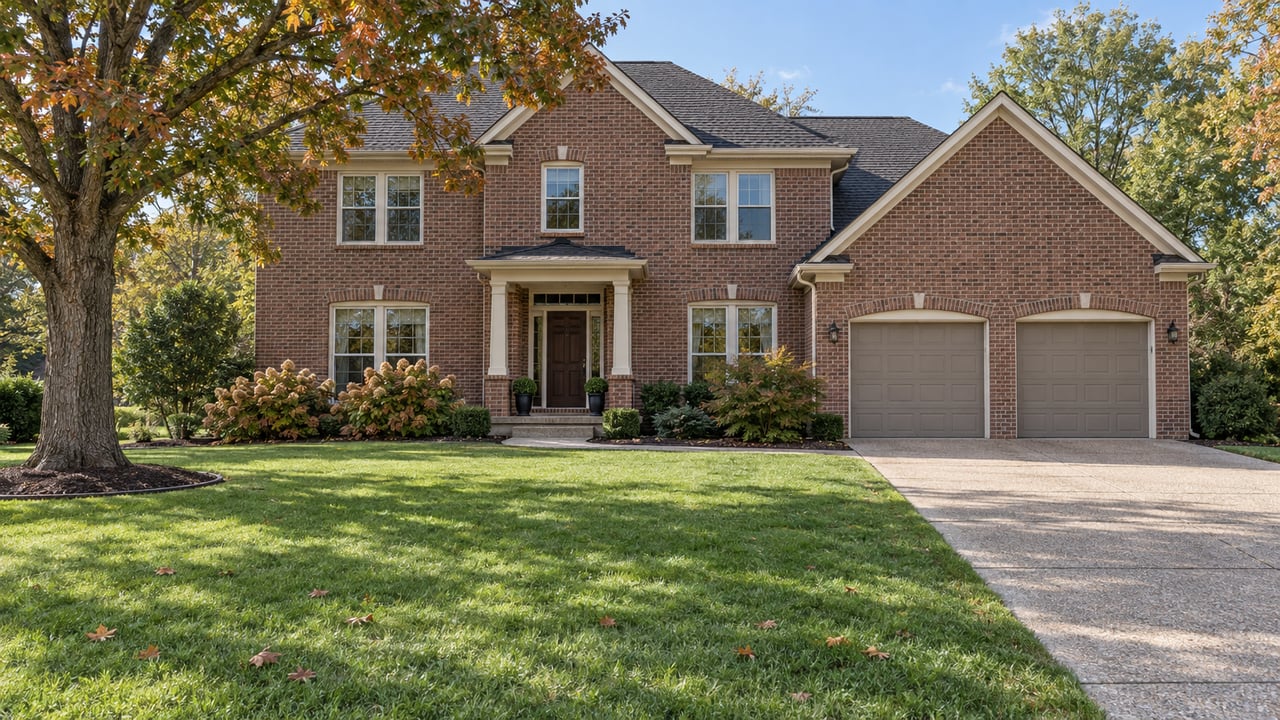
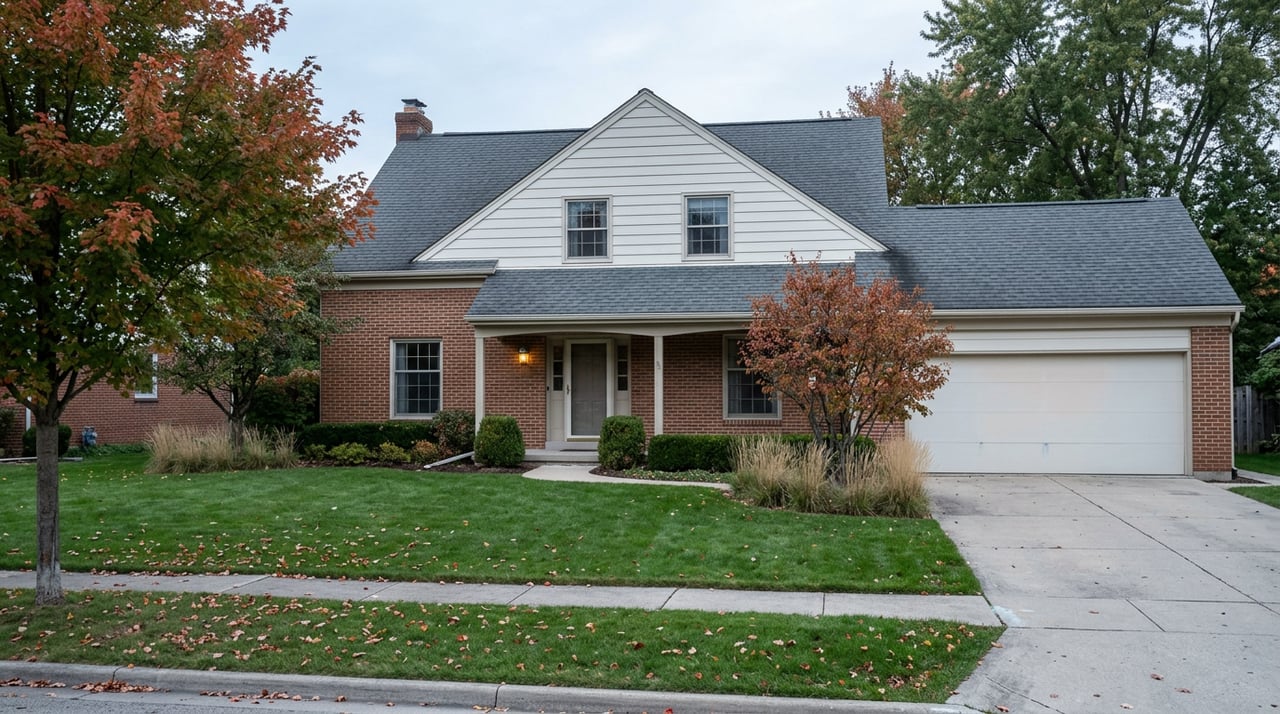
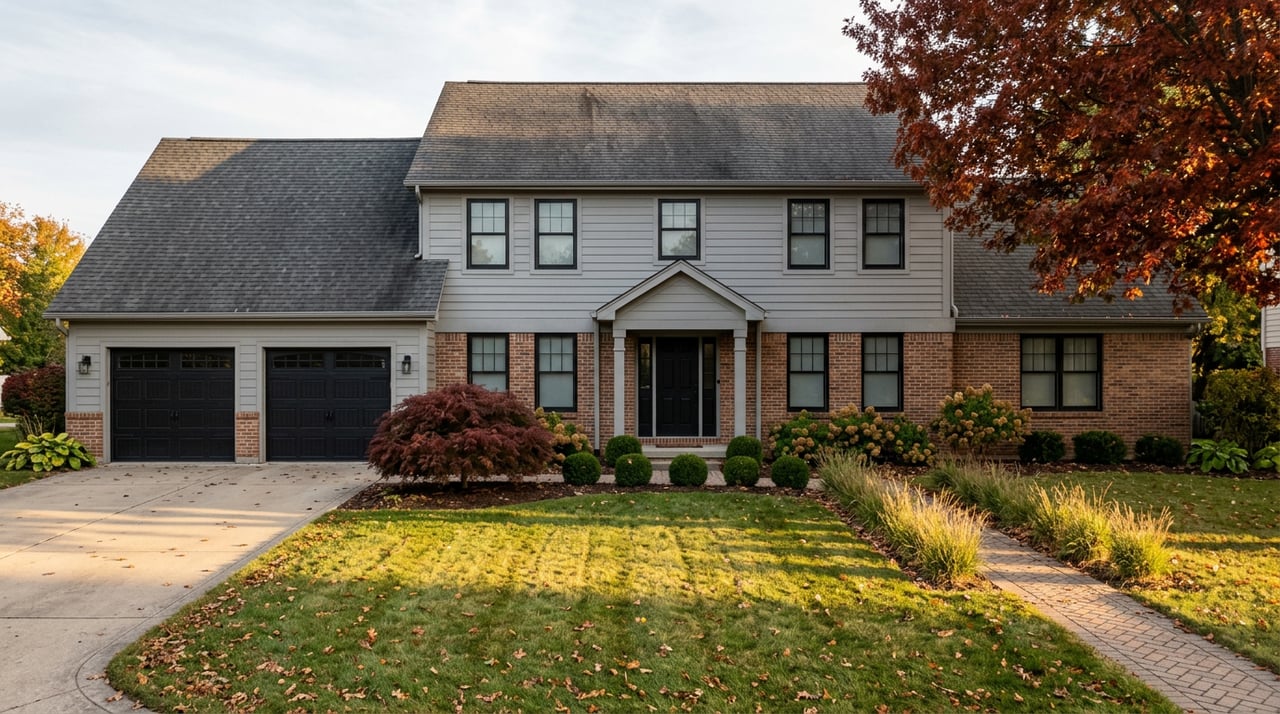
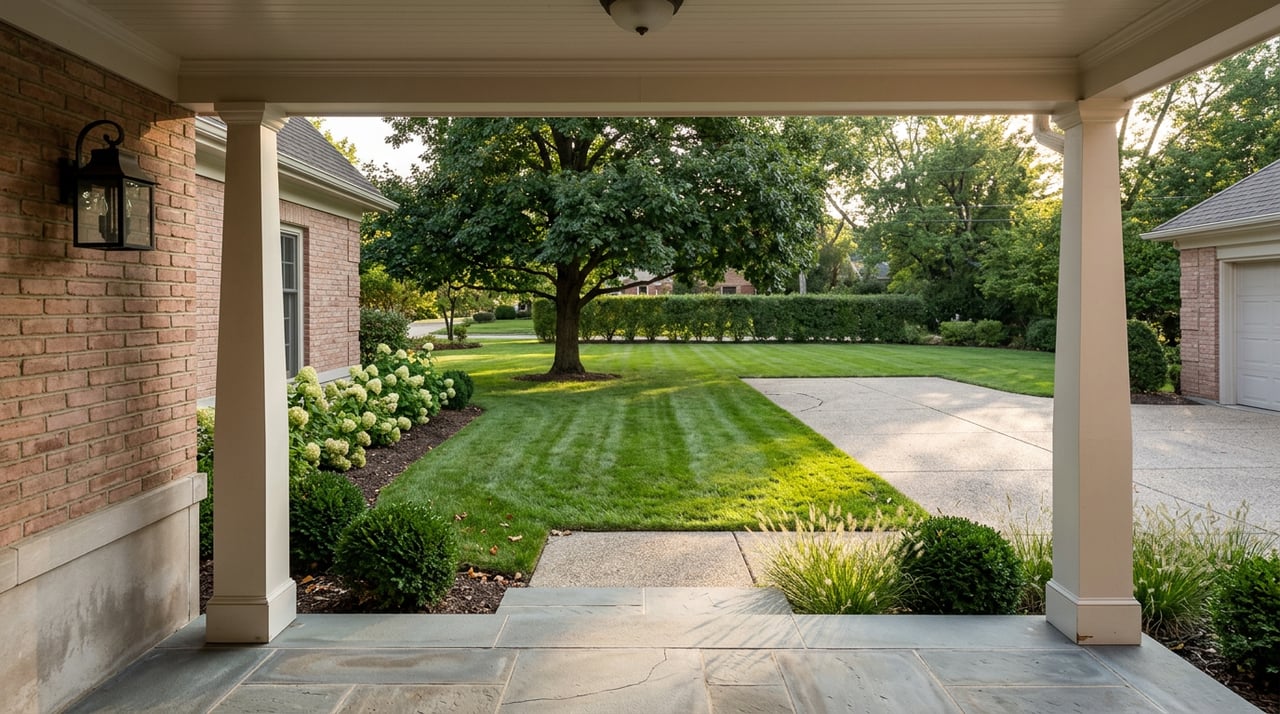
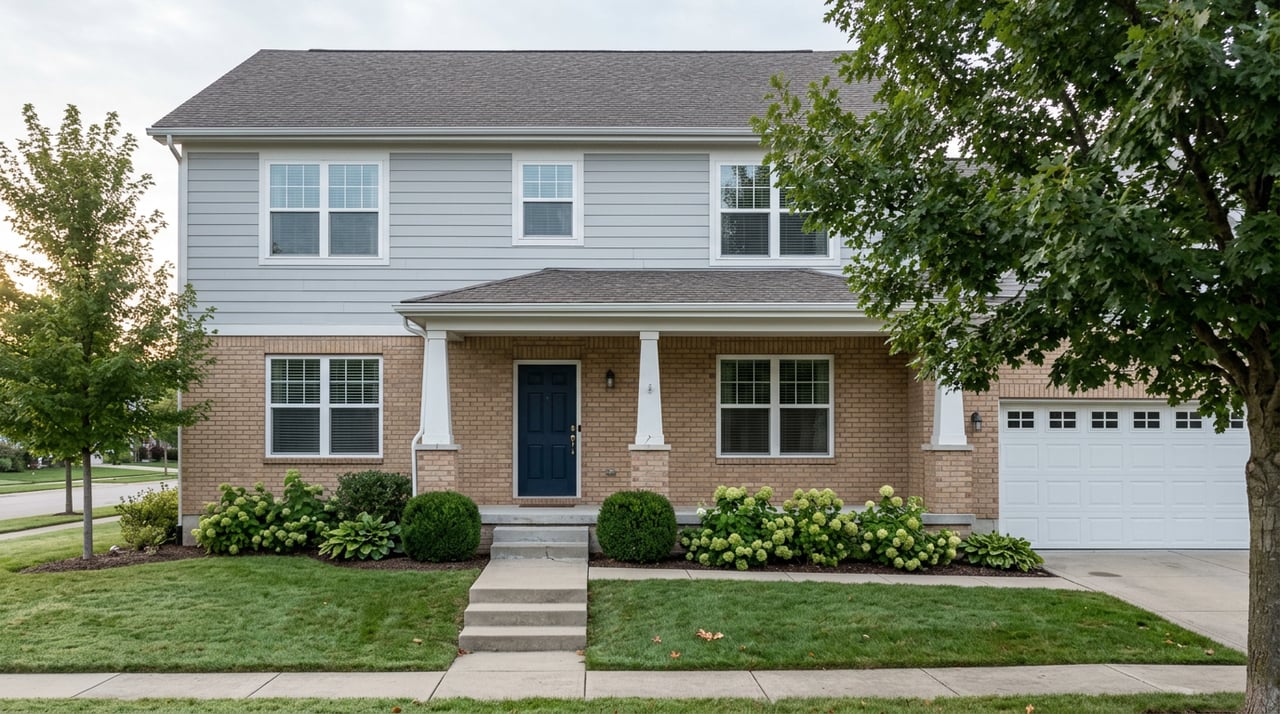
Outdoor presentation matters more than many sellers expect. NAR’s staging research lists curb appeal as one of the most common pre-listing improvements, and outdoor or yard space was staged in nearly half of cases.
Mow and edge the lawn, sweep porches and patios, and clean outdoor furniture. Put away toys, hoses, and anything that makes the space feel neglected. Even a small balcony or front porch can feel like usable living space when it looks clean and ready to enjoy.
Staging is no longer only about in-person showings. It also needs to work in listing photos, where many buyers decide whether to book a tour.
NAR found that sellers’ agents said photos were often as important as or more important than videos or physical staging. That is why decluttering, depersonalizing, and simplifying each room can have such a strong effect. A room that feels calm in person usually looks better online too.
If you want the most impact with the least wasted effort, the research points to a clear sequence. Start with the basics before buying decor or making cosmetic changes.
A practical order looks like this:
These steps align with the most common recommendations agents give sellers before listing, according to the 2025 NAR staging report.
You do not need to stage every room or hire a full-service company to make a difference. NAR reported a median spend of $1,500 when professional staging services were used, compared with $500 when the agent personally staged the home.
If your home already has a strong layout and updated finishes, partial staging may be enough. Focus your time and budget on the rooms buyers care about most, plus the areas that appear first in listing photos and in-person showings.
Staging can strengthen your presentation, but it should not be used to make up for overpricing. In Lombard, homes have still been selling near asking on average, yet the market research also noted that price reductions are not unusual, with Redfin reporting 16.3% of homes had price drops in March 2026.
The takeaway is simple: strong presentation and disciplined pricing work best together. When your home looks move-in ready and is priced in line with the market, you give buyers fewer reasons to hesitate.
If you are preparing to sell in Lombard, a thoughtful staging plan can help your home stand out without overspending. The right updates are often simple, strategic, and focused on how buyers experience your home online and in person. When you are ready for a pricing strategy and listing plan tailored to your property, connect with Maranda Real Estate Group.
Stay up to date on the latest real estate trends.
If you are in pursuit of real estate agents whose dedication and drive are unparalleled, and who commit to serving your interests with the utmost efficiency and effectiveness, then your search concludes here.
130 W PARK AVE ELMHURST IL 60126 ALBANIA OFFICE MARANDA REAL ESTATE GROUP BLVD GJERGJ FISHTA 7 PALL SHALLVARE TIRANE ALBANIA