Gold Coast Condo Market Guide for Chicago Buyers
December 4, 2025
December 4, 2025
Thinking about a condo in Chicago’s Gold Coast but not sure how to compare buildings, fees, and amenities? You are not alone. With options that range from intimate vintage walkups to full-service towers, it can be hard to tell what is a good value. In this guide, you will learn how to read HOA assessments and reserves, weigh amenities and parking, and plan a smart offer so you can move with confidence. Let’s dive in.
Set along Lake Michigan near the Magnificent Mile, the Gold Coast blends historic charm with city convenience. You will see greystones and early 20th-century buildings near streets like Astor, Oak, and Rush, plus mid-rise and high-rise condos on and off Lake Shore Drive. Buyers often include downsizers who want walkability, professionals who want quick access to the Loop, and investors who value location. Rental rules vary by building, so be sure to confirm policies early.
Market pace depends on price and condition. Turnkey, well-priced homes in desirable buildings tend to move quickly. Units with atypical layouts or that need work can take longer. Because inventory is polarized between older character units and full-service luxury towers, your comparison should look beyond list price and square footage.
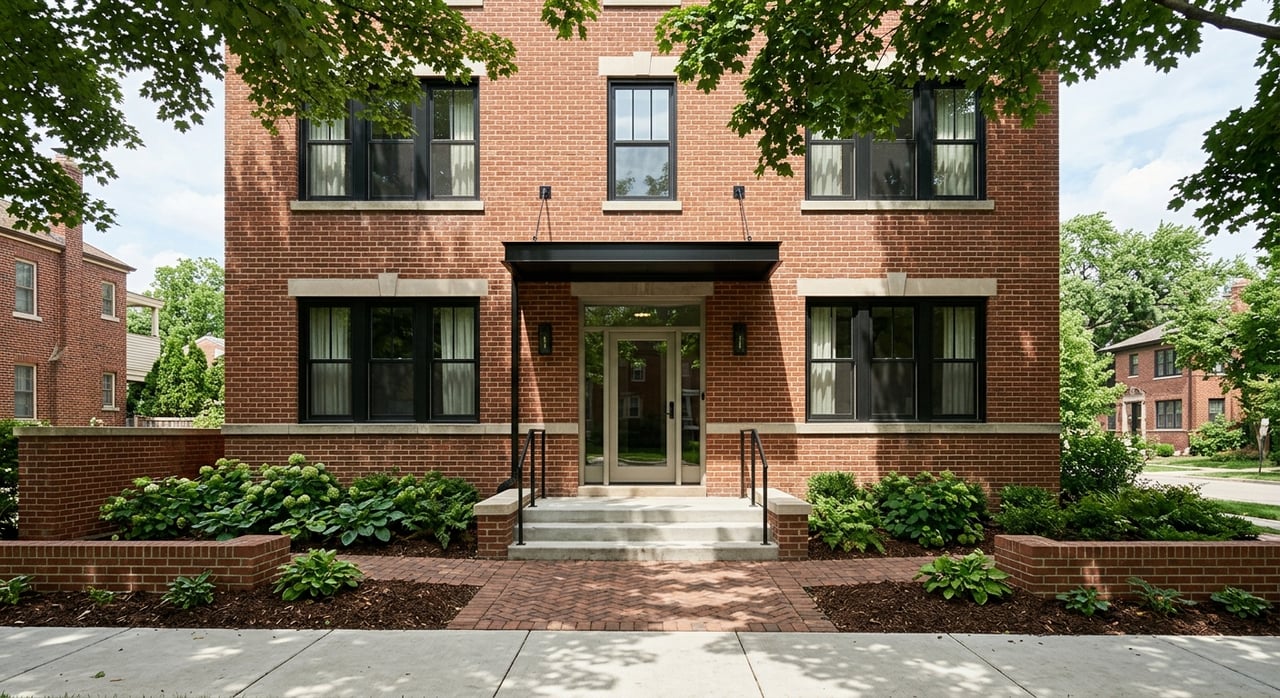
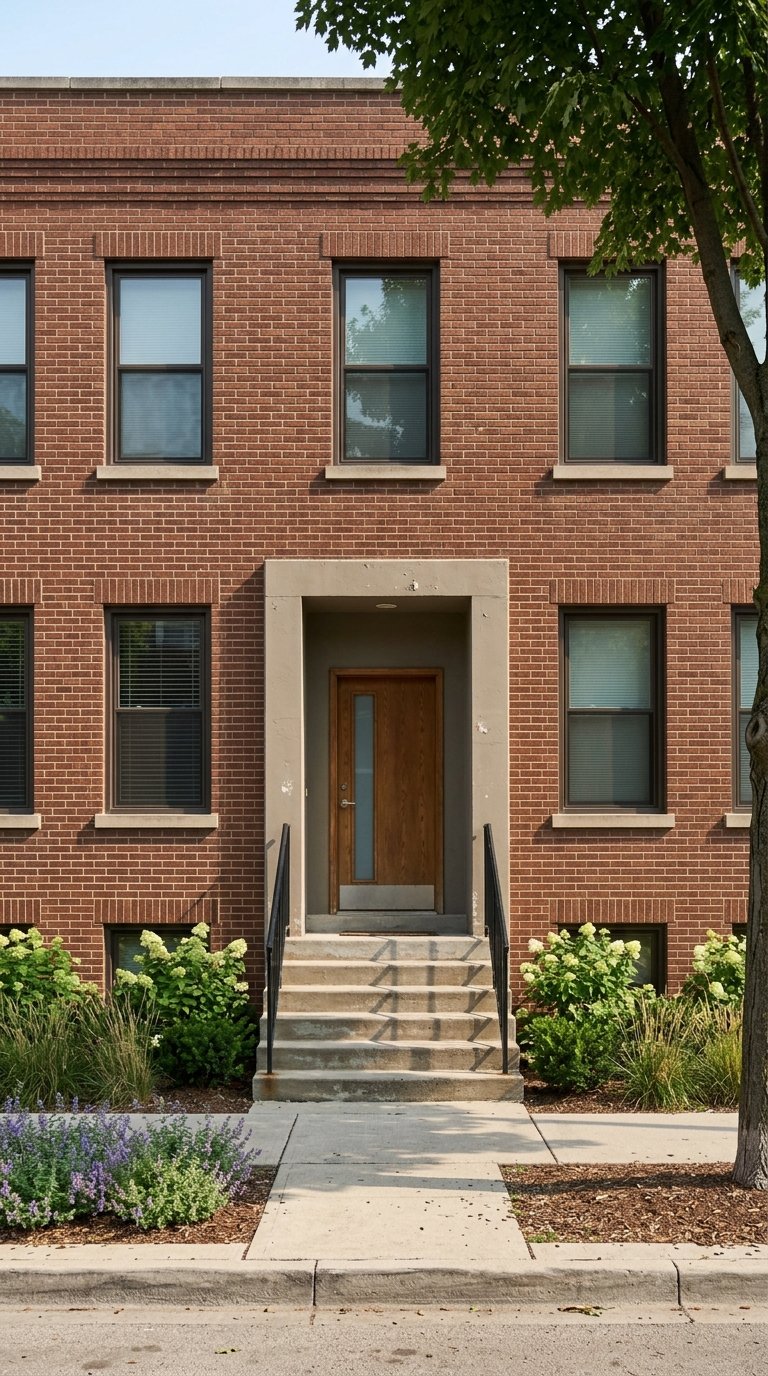
These include greystones, brick walkups, and early 1900s masonry buildings that were later converted to condos. Expect authentic details like millwork, parquet or hardwood floors, and sometimes smaller kitchens and baths. Elevators are not guaranteed, and common services may be limited.
HOA dues in these buildings are often lower because there are fewer amenities. Fees typically cover items like common insurance, exterior upkeep, snow removal, trash, and reserves. Pay close attention to building systems, including plumbing, wiring, windows, and roofs, since age and maintenance history can vary.
Mid-rises are commonly 4 to 12 stories and usually have elevators. They often offer a balance of space and services. Floorplans may be larger than many vintage units, and finishes vary based on the building’s age and renovation cycle.
Monthly fees are generally moderate and may include a doorman, laundry rooms, fitness rooms, bike storage, or secured entry. Reserves in these buildings can be solid, but you will want to confirm both the amount and the most recent reserve study.
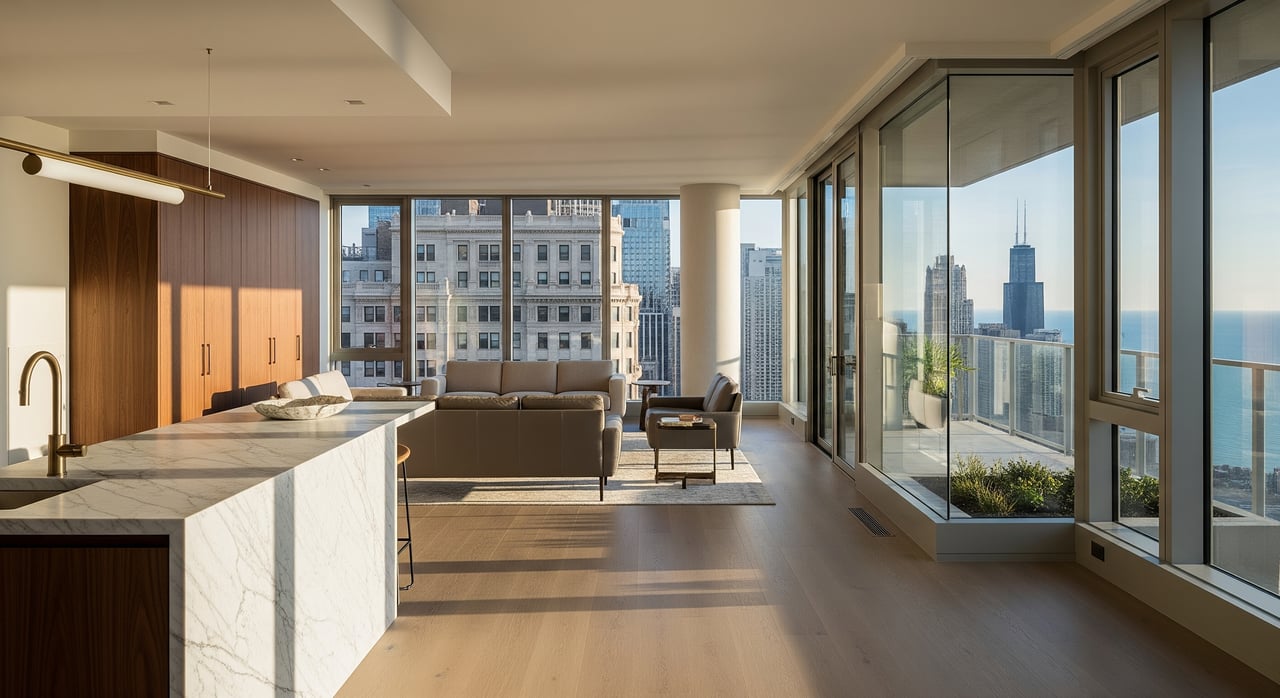
High-rises deliver modern conveniences and big views. You will often find concierge or doorman service, well-equipped gyms, pools, party rooms, and on-site management. Units tend to feature modern finishes, larger window lines, and in many cases in-unit laundry.
Expect higher monthly assessments to support staffing, utilities for common areas, central systems, and amenity upkeep. Some towers may include certain utilities, such as heat or water, within the HOA. Ownership can include condominiums and, in some cases, cooperatives, so confirm structure and lending implications upfront.
Newer buildings often come with modern warranties and fresh reserve studies. They can command a premium for finishes and lifestyle. During developer transitions or recent conversions, watch for special assessments, reserve adjustments, or policy changes as the association stabilizes.
Most homes in the Gold Coast are condominiums governed by a declaration, bylaws, and board rules under Illinois law. Some buildings are co-ops. Rental and leasing rules depend on each association. Always review the full document package and build in time for your attorney to evaluate the details.
Your monthly HOA fee is a core part of your housing budget. Common coverage includes building insurance, structural and exterior maintenance, staff salaries, elevator service, utilities for common areas, trash, grounds and snow removal, and contributions to reserves. Full-service buildings add amenity operations like pools, gyms, valet or doorman, and sometimes certain utilities.
Include HOA fees in your affordability plan along with mortgage, property taxes, and owner-paid utilities. A simple way to compare options is to compute a monthly carrying cost per square foot using your total housing cost.
Reserves are funds set aside for future capital work such as roofs, facades, elevators, and mechanical systems. A recent professional reserve study estimates useful life and replacement costs, then recommends annual contributions. Adequate reserves help reduce the risk of frequent special assessments.
Ask for the most recent reserve study and the year it was completed. Healthy reserves, consistent contributions, and a clear long-term plan are positives, especially in older or amenity-heavy buildings.
Special assessments are one-time charges for projects that reserves cannot fully cover or for unexpected repairs. Older buildings or those with deferred maintenance may assess more often. Review the building’s history of assessments, board minutes that discuss upcoming projects, and any notices of planned work.
Key caution signs include very low or zero reserves, frequent recent assessments, major deferred projects, unclear insurance coverage, negative operating budgets, and a high percentage of rentals if the building restricts leasing. These factors can affect lending and future resale.
Before you finalize terms, request and review the following with your attorney and agent:
Remember that amenity costs are ongoing. Even if you do not use a pool or party room often, you are helping to pay for operations and staffing.
Parking in the Gold Coast is a real value driver. Types include deeded spaces that transfer with the unit, leased spaces in building or third-party garages, tandem spots, and valet or attended parking. Street parking is limited and often regulated, so many owners prefer garage options.
Confirm whether parking is deeded or leased. If leased, ask about monthly cost, renewal terms, and availability. If you plan to resell, note that a unit without a deeded space can face long-term cost and convenience tradeoffs compared to units that include parking.
Some associations include heat and water in the HOA. Others do not. Ask for a clear breakdown of what the association pays and what you will pay separately. Small differences in included utilities can add up when you compare total monthly costs across buildings.
Your offer will typically include an earnest money deposit and contingencies such as inspection, financing, clear title, and review of association documents. Standard closing timelines range from 30 to 60 days depending on financing and seller needs. Build in time for document review so your attorney can assess reserves, assessments, and rules.
In a seller’s market, you may tighten timelines, consider escalation language, and present strong financing. Buyers rarely skip association document review, since that step protects you. In a buyer’s market, you may negotiate seller credits, longer timelines, and more flexibility on contingencies.
Some lenders require a minimum reserve level and a certain owner-occupancy percentage for condo financing. Confirm building eligibility early in your search. If you are pursuing specialized loan products, share building details with your lender before you write an offer.
Schedule a general home inspection and use specialists as needed. In older buildings, pay attention to windows, plumbing stacks, masonry, and any balconies or terraces. If the HVAC is unit-based, confirm age, service records, and replacement costs. These items can inform negotiations if repairs are needed.
Look beyond list price. Compare units by total monthly carrying cost: mortgage, taxes, HOA fees, and expected utilities. Adjust for amenity value, parking type, and storage. A deeded parking space can carry a meaningful premium over a leased space.
Review governance and financial health. Favor buildings with clear communication, recent reserve studies, and a logical budget. For vintage properties, plan for ongoing upgrades and potential capital replacements over time. For full-service towers, confirm that the monthly fees match your lifestyle and long-term plans.
Finally, weigh the neighborhood benefits that matter to you, such as proximity to the lakefront and everyday conveniences. When you combine physical condition, association health, amenities, parking, and total cost, you will see which options truly fit your goals.
Ready to compare buildings, budget with clarity, and craft a strong offer? Reach out to the Maranda Real Estate Group for focused buyer representation and a practical plan tailored to your Gold Coast search.
Stay up to date on the latest real estate trends.
If you are in pursuit of real estate agents whose dedication and drive are unparalleled, and who commit to serving your interests with the utmost efficiency and effectiveness, then your search concludes here.

130 W PARK AVE ELMHURST IL 60126 ALBANIA OFFICE MARANDA REAL ESTATE GROUP BLVD GJERGJ FISHTA 7 PALL SHALLVARE TIRANE ALBANIA