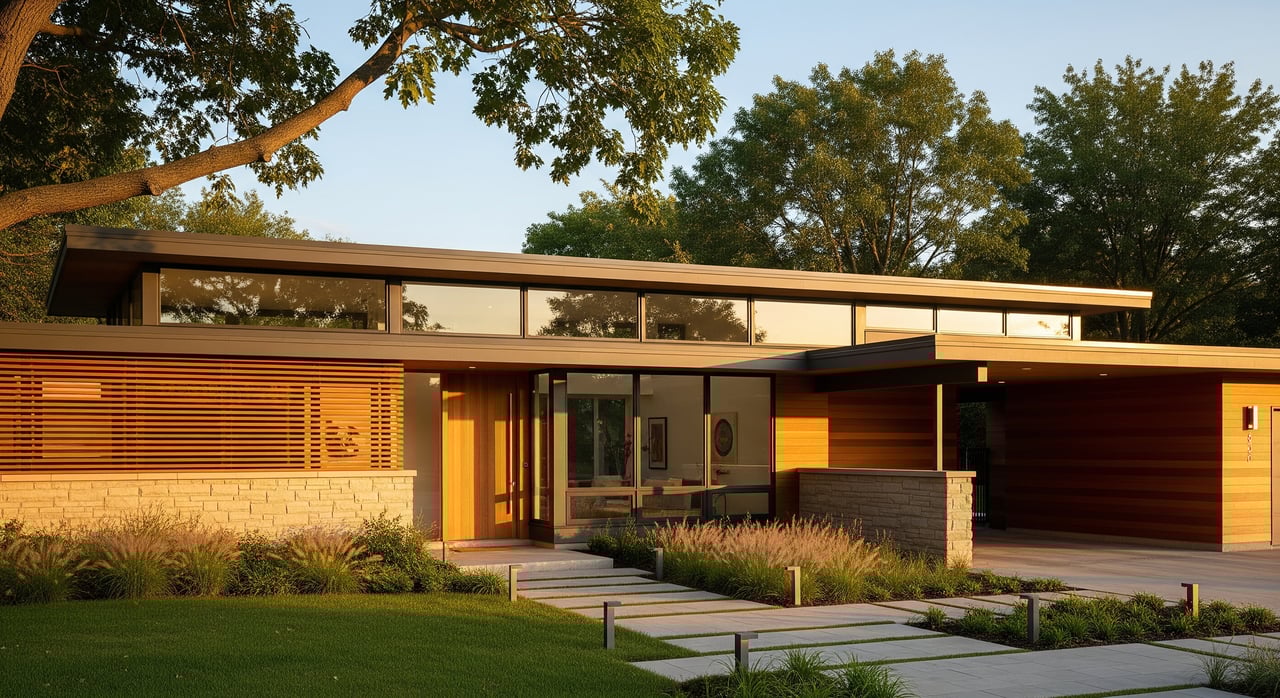
Updating Lombard’s Mid‑Century Homes the Smart Way
November 6, 2025
November 6, 2025
Your Lombard ranch or split‑level has great bones, but tight rooms, low ceilings, and dated finishes can hold it back online and in person. If you want strong photos, solid appraisals, and buyer confidence without overbuilding the block, you need a focused plan. In this guide, you’ll learn which layout, lighting, entry, kitchen, bath, and system upgrades deliver the best return in Lombard’s mid‑century neighborhoods, plus what to skip or defer. Let’s dive in.
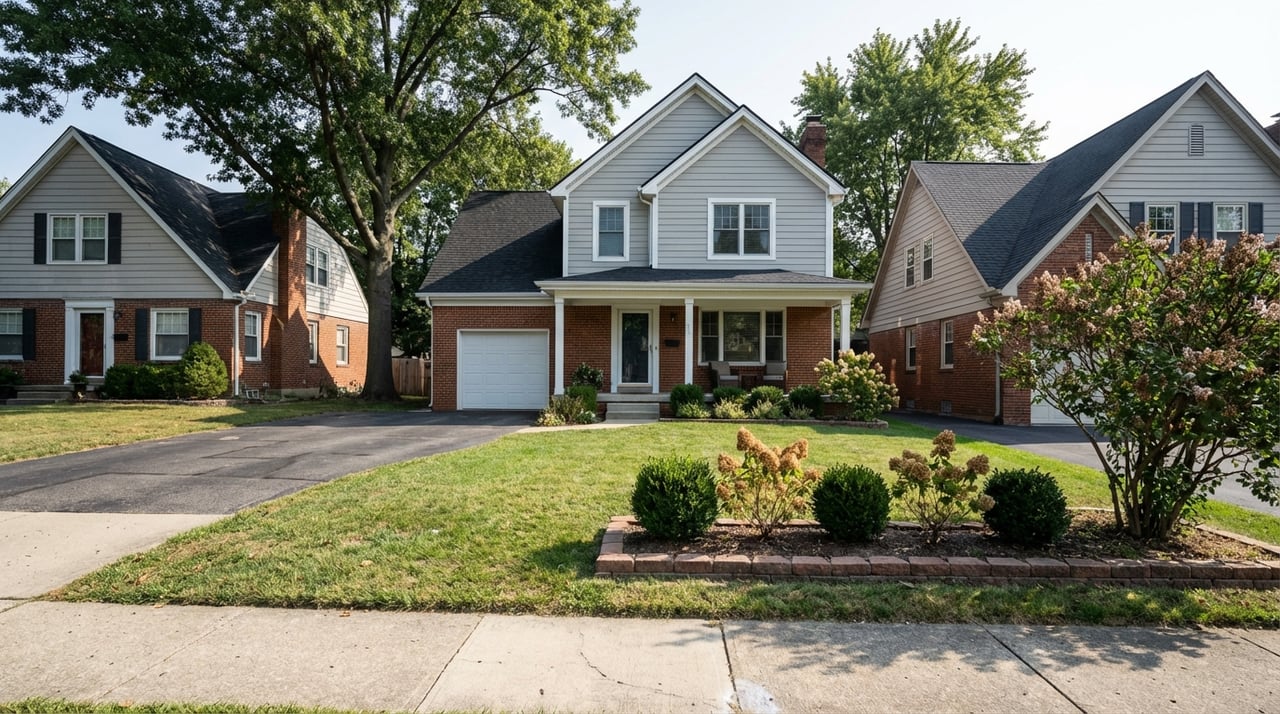
Most mid‑century homes in Lombard are compact ranches or split‑levels with simple footprints, modest kitchens, and one to one‑and‑a‑half baths. Streetscapes are consistent, and appraisals are comp‑driven, which means major additions rarely translate into higher appraised values if nearby sales do not support them. Buyers here tend to prioritize move‑in ready kitchens and bathrooms, energy efficiency, and curb appeal that pops in listing photos.
The practical takeaway is simple: focus on updates that improve function, light, and perceived condition. Document mechanical and energy upgrades. Avoid expensive expansions that raise price per square foot far above neighbors.
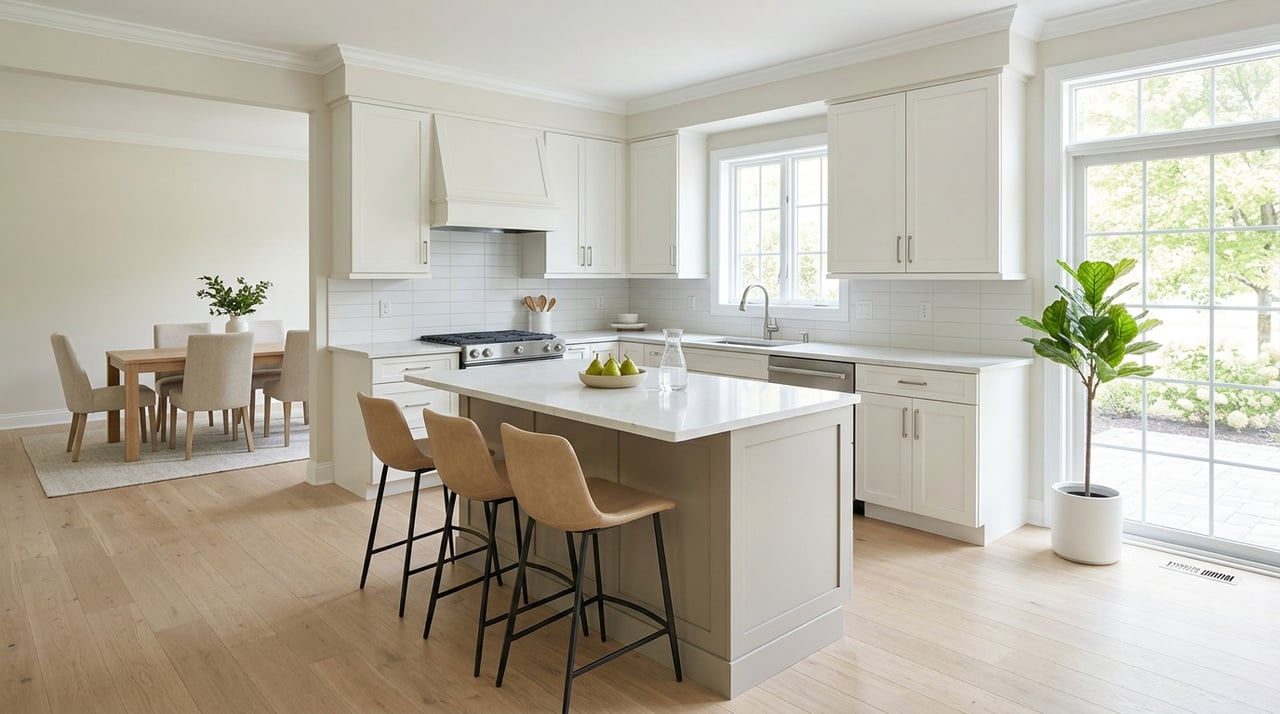
Clear sightlines make rooms feel larger in photos and in person. You can often remove a short non‑load bearing wall or half wall to connect the kitchen with the living or dining area. This preserves the footprint while making the main level feel more open and useful for daily life and entertaining.
Many split‑levels and ranches have a cramped door from the garage. Add a compact bench, hooks, and a tidy closet to create a mudroom‑style landing without changing the exterior. This small shift reduces clutter and shows functional utility that buyers appreciate.
Instead of building out, refresh an underused lower level with lighting, durable flooring, and neutral paint. Stage it as a flexible office, play space, or guest area. This approach stays within the existing footprint and photographs as well‑maintained extra living space.
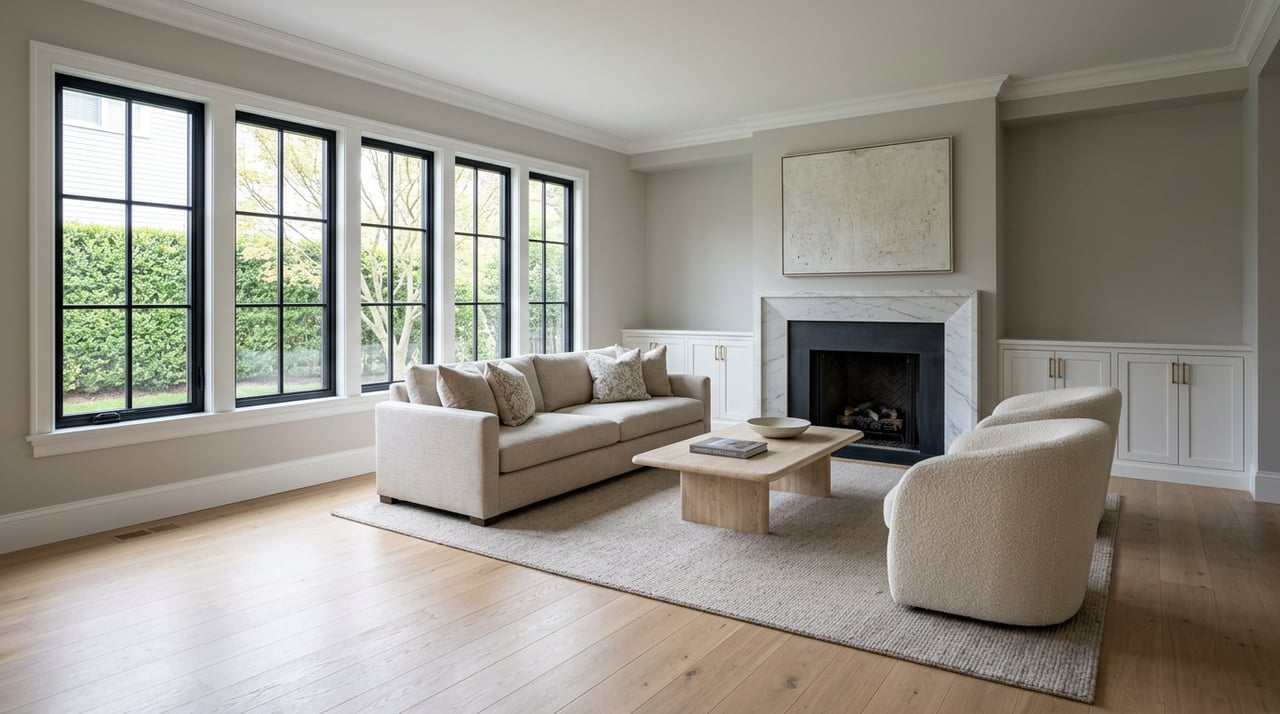
Light drives photo quality and the feel of low‑ceiling rooms. Combine natural light with layered fixtures:
Choose warm, accurate LED light. Target about 2700–3000K in living areas and 3000–3500K in kitchens, with a CRI of 90 or higher for good color in photos. Install dimmers and consider smart switches to tune levels during showings and photography.
Swap bulky fans or deep pendants for low‑profile fixtures or shallow recessed LED. This keeps headroom comfortable and distributes light evenly.
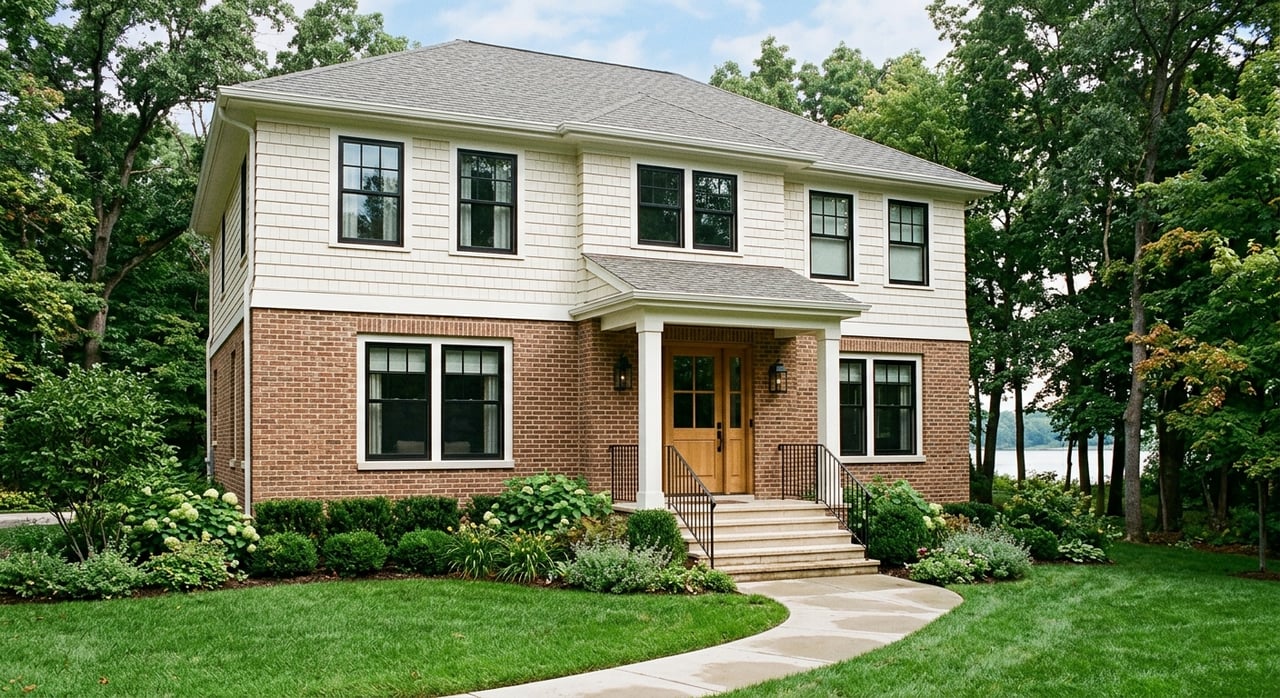
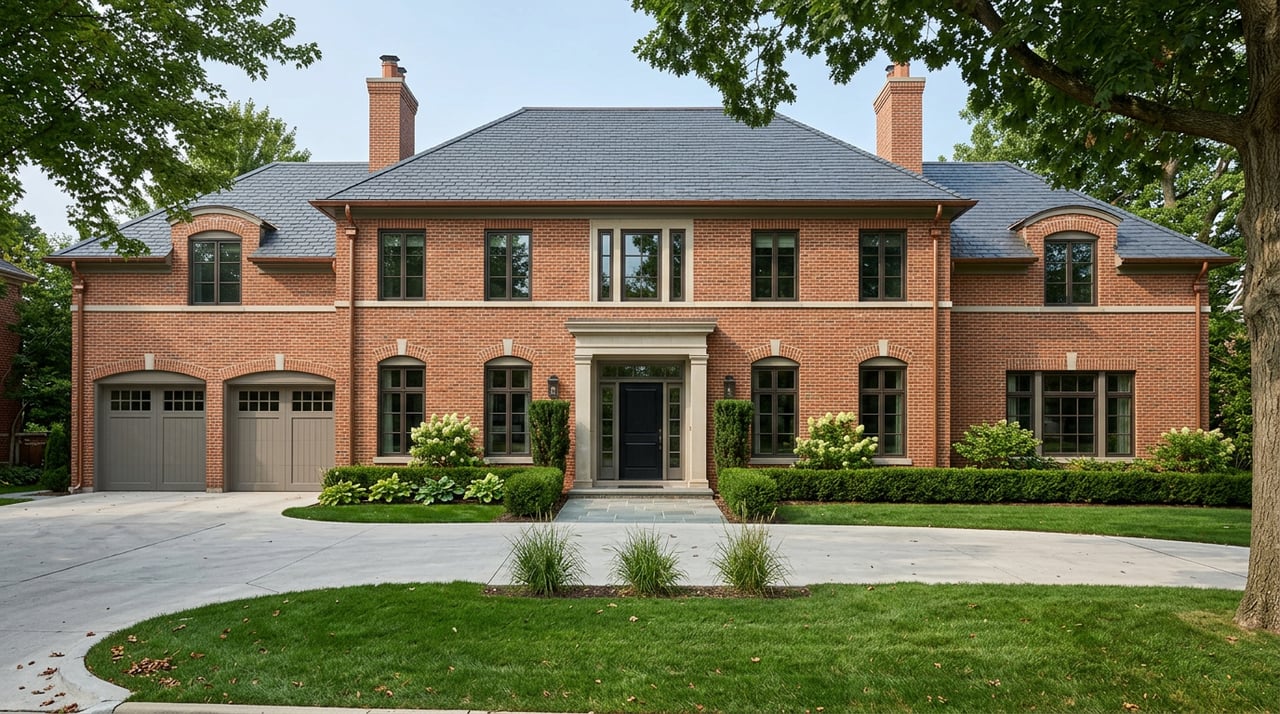
First impressions drive online engagement and showings. Small, well‑chosen exterior updates can have an outsized impact.
If you are considering a large porch or front‑facing second‑story change, compare against neighborhood character and recent sales before you proceed.
Kitchens and bathrooms carry the most weight for buyers and appraisers.
These mid‑range improvements often outperform full luxury remodels on resale because they align with local comps and deliver move‑in readiness.
If nearby sales indicate that updated kitchens and baths are standard, a full remodel can be justified. Keep layouts compact, finishes mid to upper‑mid, and design choices broadly appealing. Appraisers look for comparable finishes. Niche luxury often lacks support in comps.
Reliable mechanicals and energy upgrades signal value and can be documented for appraisals.
Documentation matters. Organized records help your appraiser and give buyers peace of mind.
Order your projects by impact so you do not overbuild.
Actual costs vary by contractor and scope. Get two to three local bids before you commit.
Appraisals are comp‑driven. If your post‑improvement target price sits far above typical neighborhood sales, your ROI drops. Large additions only make sense where nearby comps show similar home sizes and finishes. Otherwise, focus on cosmetic upgrades, functional improvements, and documented system updates that buyers and appraisers reward.
Use this quick sequence to maximize photos and first‑week showings.
Pro photo tip: schedule photos mid‑day for natural light, open all window treatments, and turn on all layers of lighting for balanced, inviting images.
If you plan to update after closing, handle safety and efficiency first, then style.
Before you start, confirm what requires a permit, especially for structural, electrical, plumbing, windows, and major HVAC work. If the home is near historically sensitive areas, consult local historic authorities before exterior changes. Use DuPage County records to confirm lot lines if you are considering additions. Always obtain multiple bids and verify licensing and insurance.
If you prioritize flow, lighting, curb appeal, and system reliability, your Lombard ranch or split‑level will show beautifully, appraise cleanly, and attract the right buyers without risking overbuild. Keep your finishes aligned with neighborhood comps, document every improvement, and phase projects so the highest impact items come first.
Ready to plan your update list or prep for market with a valuation‑driven strategy? Connect with Maranda Real Estate Group for local guidance, pricing clarity, and polished marketing that gets results. Get a Free Home Valuation today.
Stay up to date on the latest real estate trends.
If you are in pursuit of real estate agents whose dedication and drive are unparalleled, and who commit to serving your interests with the utmost efficiency and effectiveness, then your search concludes here.
130 W PARK AVE ELMHURST IL 60126 ALBANIA OFFICE MARANDA REAL ESTATE GROUP BLVD GJERGJ FISHTA 7 PALL SHALLVARE TIRANE ALBANIA