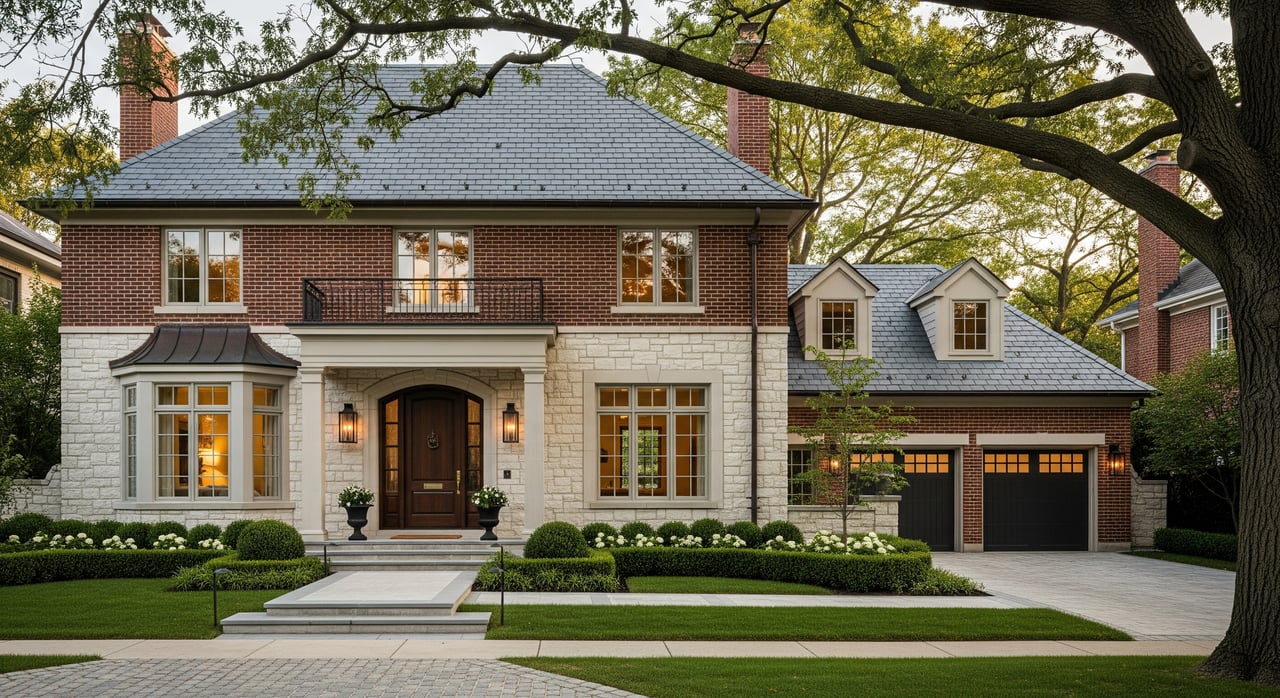
Step-by-Step Guide to Buying a Home in Downers Grove
November 21, 2025
November 21, 2025
Thinking about buying a home in Downers Grove but not sure where to start? You are not alone. Between choosing neighborhoods, sorting out financing, and understanding inspections and closing costs, the process can feel complex. This guide gives you a clear, local roadmap so you can move forward with confidence. You will learn how the process works in DuPage County, what to expect at each step, and practical tips to compete in today’s market. Let’s dive in.
Downers Grove offers a mix of historic charm and modern convenience. You will find walkable blocks near downtown Main Street, tree‑lined streets with mid‑century ranches and bungalows, and newer condo and townhome communities near transit and commercial corridors. Parks, retail, and medical facilities are close by, which many buyers appreciate.
Public elementary and middle schools often fall within Downers Grove District 58 or nearby districts based on address. High schools are in Community High School District 99. Always verify school assignments with official district resources before you make an offer.
Commuters value the Metra BNSF line for frequent service to Chicago’s Union Station. Depending on the station and schedule, many riders reach downtown Chicago in about 25 to 50 minutes. Access to major expressways also supports car commutes to the western suburbs and regional employment centers.
Buying here follows a familiar Chicagoland flow: pre‑approval, search, offer, inspection, appraisal and underwriting, then closing. From accepted offer to keys, expect about 30 to 45 days for a conventional loan, faster with cash and sometimes longer if special conditions apply.
Start with a mortgage pre‑approval so you know your budget and can act fast. Gather recent pay stubs, W‑2s, bank statements, photo ID, and tax returns if required. Look beyond the purchase price and factor in property taxes, homeowners insurance, and any HOA fees for condos or townhomes.
Down payment options vary by loan program. Many conventional buyers put 5 to 20% down or more. FHA can offer lower down payments with mortgage insurance. VA provides zero‑down options for eligible veterans and active duty buyers. USDA programs may apply to certain areas outside central DuPage.
Clarify what matters most: proximity to Metra, specific school boundaries, lot size and yard needs, home age and condition, and tax impacts. Tour a cross‑section of homes to compare move‑in ready options against properties that need updates so you can set realistic expectations.
Your offer will include price, closing date, earnest money, contingencies, and any seller credits you request. In Downers Grove, earnest money is commonly about 1 to 3% of the purchase price. Illinois requires a written seller disclosure for most 1–4 unit homes, and a lead‑based paint disclosure for homes built before 1978.
In competitive moments, you can improve your position with a strong pre‑approval, clear timelines, and flexible terms that fit the seller’s needs. Balance strength and protection so you do not take on unnecessary risk.
The inspection window is commonly 7 to 10 business days from acceptance. A standard inspection covers structure, roof, plumbing, electrical, and HVAC. Many buyers in this area also order radon testing, a pest or termite check, and a sewer scope for older homes. If issues arise, you can request repairs, a credit, or a price reduction, or choose to proceed as‑is.
Your lender orders the appraisal to confirm value. An appraisal contingency protects you if the value does not meet the contract price. Respond quickly to your lender’s document requests so underwriting stays on track. Title review happens in parallel, and any title exceptions will be addressed before closing.
Closings typically occur at a title company or attorney’s office. You will receive a Closing Disclosure outlining your final cash‑to‑close and fees. After signing, the deed is recorded with the DuPage County Recorder of Deeds, and you take possession per your contract.
Plan for closing costs that are generally about 2 to 5% of the loan amount. These can include lender fees, title and recording charges, prepaid taxes and insurance, and escrow setup. Ask your lender for a Loan Estimate early and review your Closing Disclosure at least three days before signing.
Title insurance is common in Illinois. Your lender will require a lender’s policy, and an owner’s policy is optional but recommended. During title review, you will confirm tax prorations and check for any special assessments.
Property tax rates vary by taxing districts such as village, school, park, and library. Review the current tax bill on any home you are considering and ask about exemptions like homeowner or senior that may apply after purchase. Assessment cycles and appeals can affect future bills.
If you prioritize transit, consider condos and townhomes near Metra stations. If you want a larger lot or a vintage home, you may look farther from the stations. Typical Metra ride times into downtown Chicago range from about 25 to 50 minutes, depending on your boarding station and whether you catch local or express service. Major expressways make car commutes to western suburb job centers and regional corridors feasible.
Common mortgage choices include conventional, FHA, VA, and USDA where eligible. First‑time and move‑up buyers often explore down payment assistance. State and county programs change over time, so review the latest options through the Illinois Housing Development Authority and DuPage County housing resources. You can also consider local credit unions or community banks for competitive products and service.
Many Downers Grove homes were built between the 1920s and 1970s. Expect potential updates to electrical, plumbing, roofs, or basements. If you plan to renovate, get contractor estimates early and ask your lender about renovation‑friendly loan options. Proximity to schools, Metra stations, and downtown Main Street often supports long‑term resale appeal.
Buying in Downers Grove is straightforward when you have a clear plan and a team that knows the market at the neighborhood level. From aligning the right home and school boundaries to navigating inspections, title, and tax nuances, expert guidance helps you avoid surprises and secure a smooth close. Ready to get started or want a custom game plan for your budget and timeline? Connect with the Maranda Real Estate Group for local guidance tailored to you.
Stay up to date on the latest real estate trends.
If you are in pursuit of real estate agents whose dedication and drive are unparalleled, and who commit to serving your interests with the utmost efficiency and effectiveness, then your search concludes here.

130 W PARK AVE ELMHURST IL 60126 ALBANIA OFFICE MARANDA REAL ESTATE GROUP BLVD GJERGJ FISHTA 7 PALL SHALLVARE TIRANE ALBANIA