A Local’s Guide to Downtown Elmhurst Living
February 5, 2026
February 5, 2026
Imagine grabbing a coffee, strolling to the Metra, and ending your day with dinner on a lively main street, all within a few blocks of home. If you want suburban space with easy access to Chicago and a true neighborhood feel, living near downtown Elmhurst delivers that balance. In this guide, you’ll get a realistic look at daily life, commute options, outdoor recreation, dining, seasonal events, and housing choices close to the core. Let’s dive in.
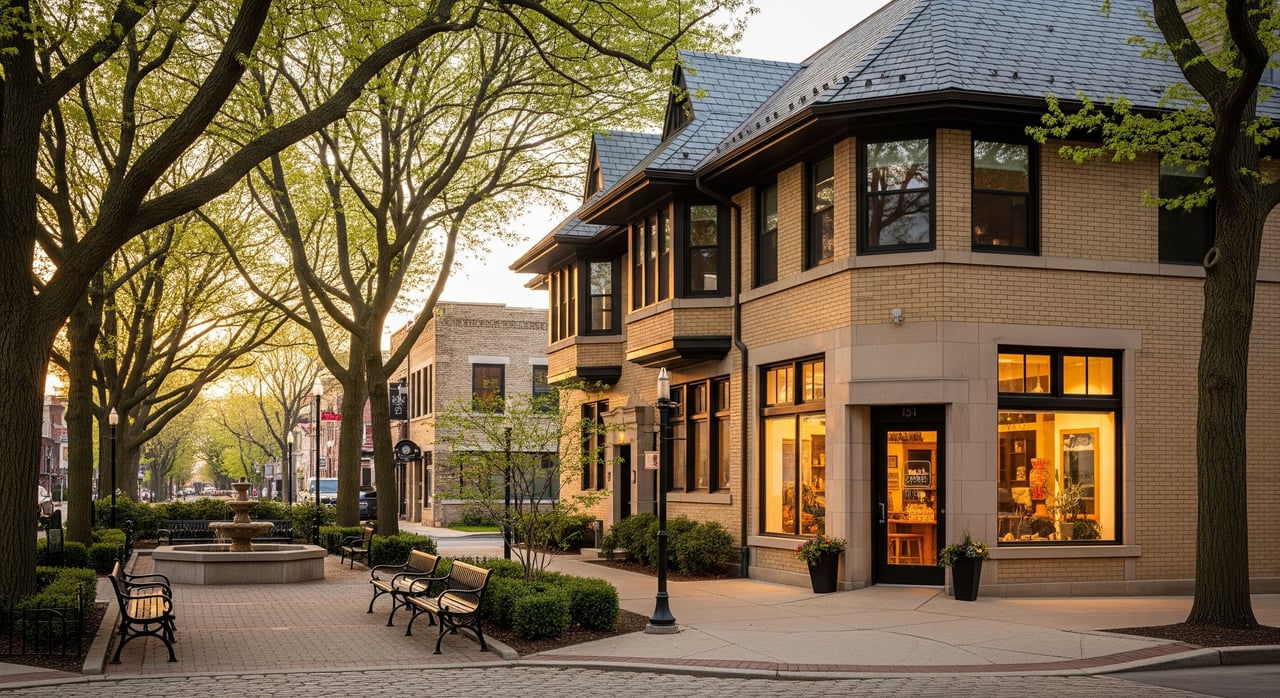
Downtown Elmhurst serves as a walkable hub for the city and nearby neighborhoods. You’ll find a strong mix of daily conveniences, independent restaurants and shops, cultural venues, and well-kept parks. The Metra station anchors the core, and that transit access often drives demand for homes within an easy walk. Expect an active rhythm on weekdays and weekends, with community programming that keeps the area engaged through all four seasons.
The Elmhurst station sits on Metra’s Union Pacific West line, offering a direct connection to Chicago’s Ogilvie Transportation Center. If you commute to the Loop or prefer rail for city outings, being close to the station can simplify your routine. Train frequency is designed for typical weekday patterns, and many commuters plan their walk or drive to sync with the schedule.
Elmhurst offers straightforward access to the western suburbs and routes toward the city. Many residents drive to nearby employment centers and use the expressways for regional trips. Travel times shift with rush-hour patterns, so it helps to test your route during your typical commute window.
Around the core, walking and short bike trips are common. Municipal parking and commuter lots support both residents and visitors, and there are street parking rules to note for guests and evenings. If you plan to drive to the train, look into lot locations and any permit or fee details before you move.
Elmhurst parks near downtown range from small pocket spaces to larger neighborhood parks within a short distance. You’ll see playgrounds, fields, picnic areas, and lawns that host community gatherings. These parks make it easy to get outside for a quick break or a weekend picnic without leaving the central area.
The Salt Creek corridor and connected multiuse trails pass through or near Elmhurst, linking downtown-adjacent neighborhoods to broader suburban networks. These paths are popular for walking, running, and biking, and they provide a scenic option for regular exercise.
Warm-weather months bring concert series, outdoor markets, and family-friendly festivals that often use downtown streets or park spaces. In fall and winter, you’ll find community events, light displays, and holiday celebrations that reinforce downtown’s role as a gathering place.
Living close to the core puts essentials within easy reach. You can handle grocery runs, pharmacy needs, banking, and dry cleaning with a short walk or quick drive. Larger shopping trips are typically a short drive away, which keeps daily errands efficient.
Downtown Elmhurst features a healthy mix of independent eateries, coffee spots, bakeries, bars, and boutique retail. This supports an active evening and weekend scene and gives you plenty of options for a casual brunch or a date-night dinner.
Local museums, galleries, and community performance spaces add depth to the downtown experience. Exhibitions, talks, and family programs create opportunities to engage with art, history, and live events without heading into the city.
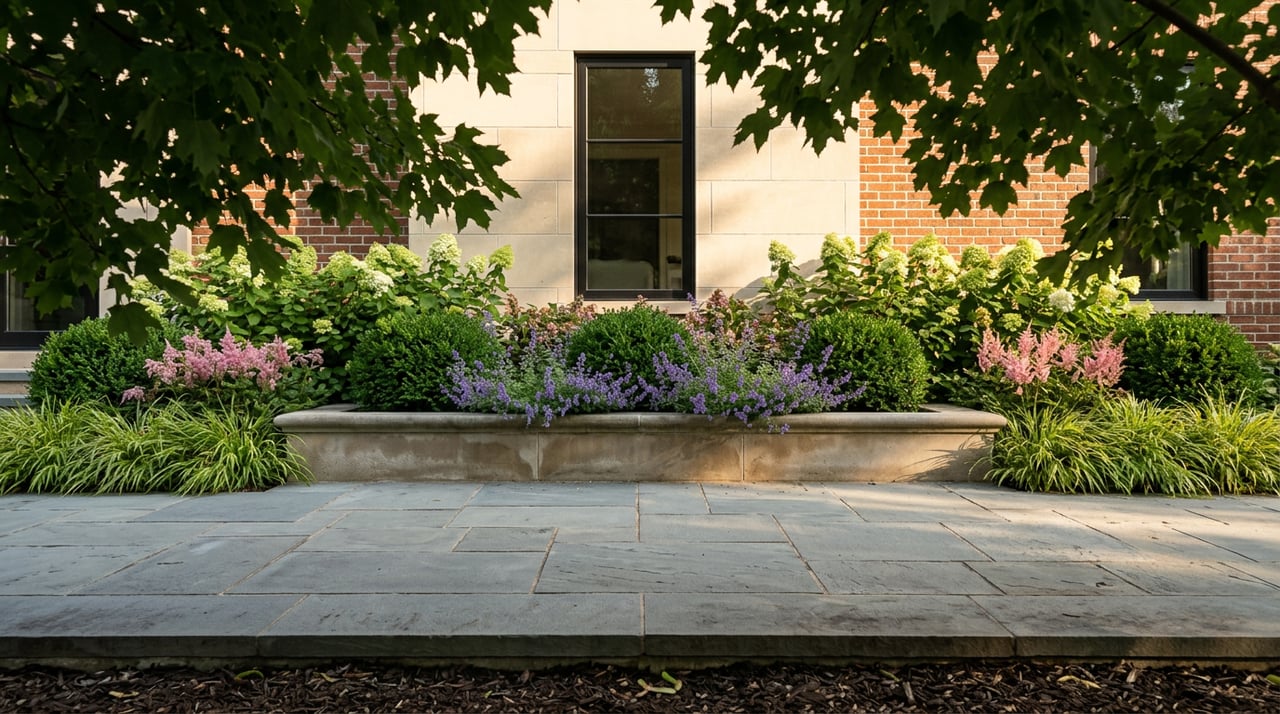
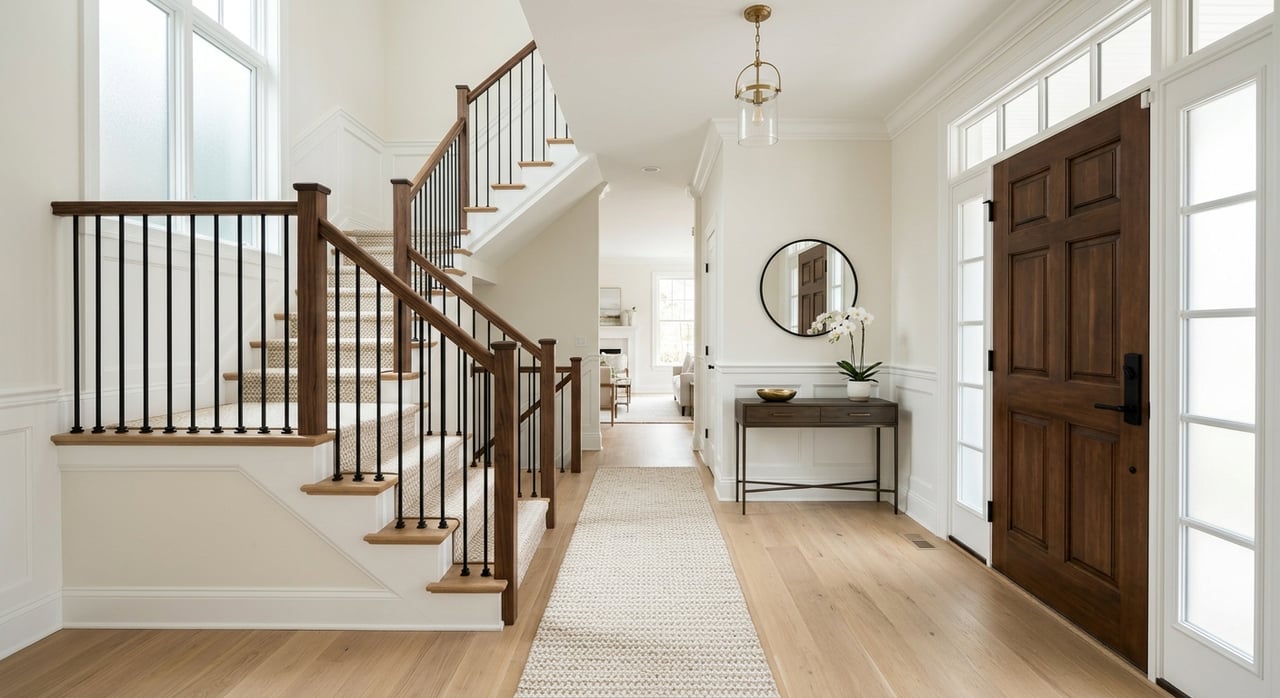
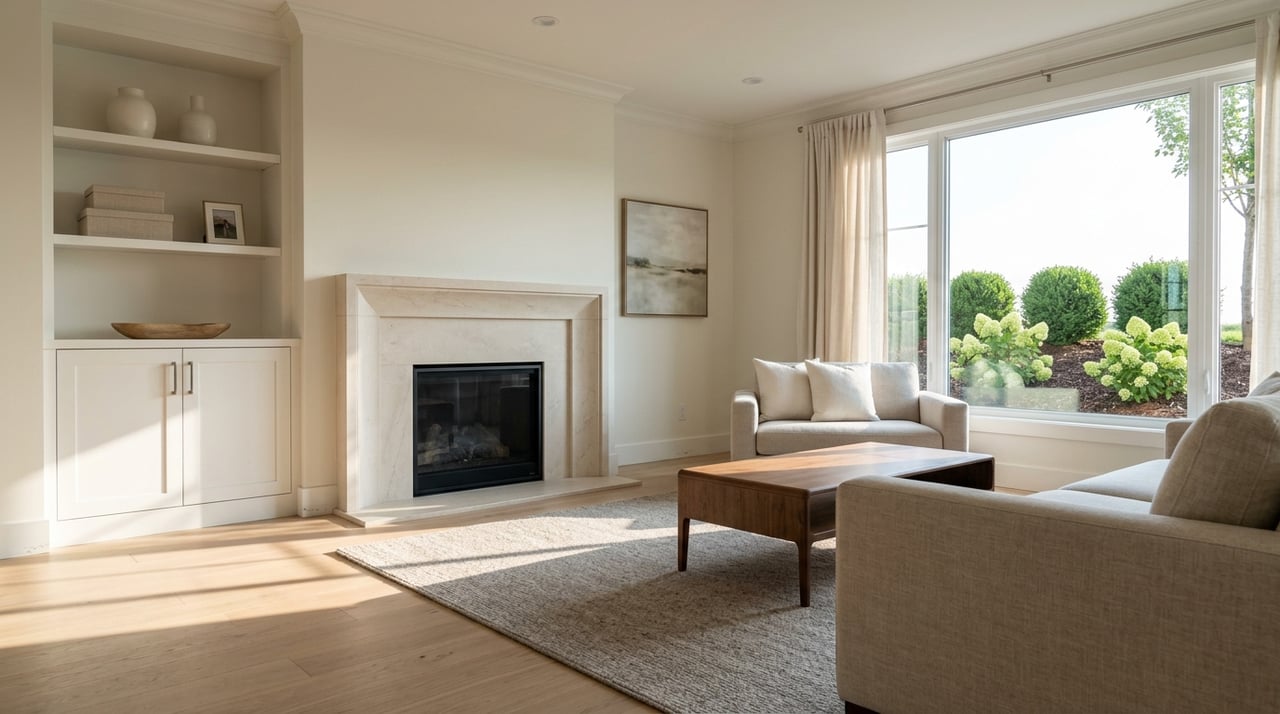
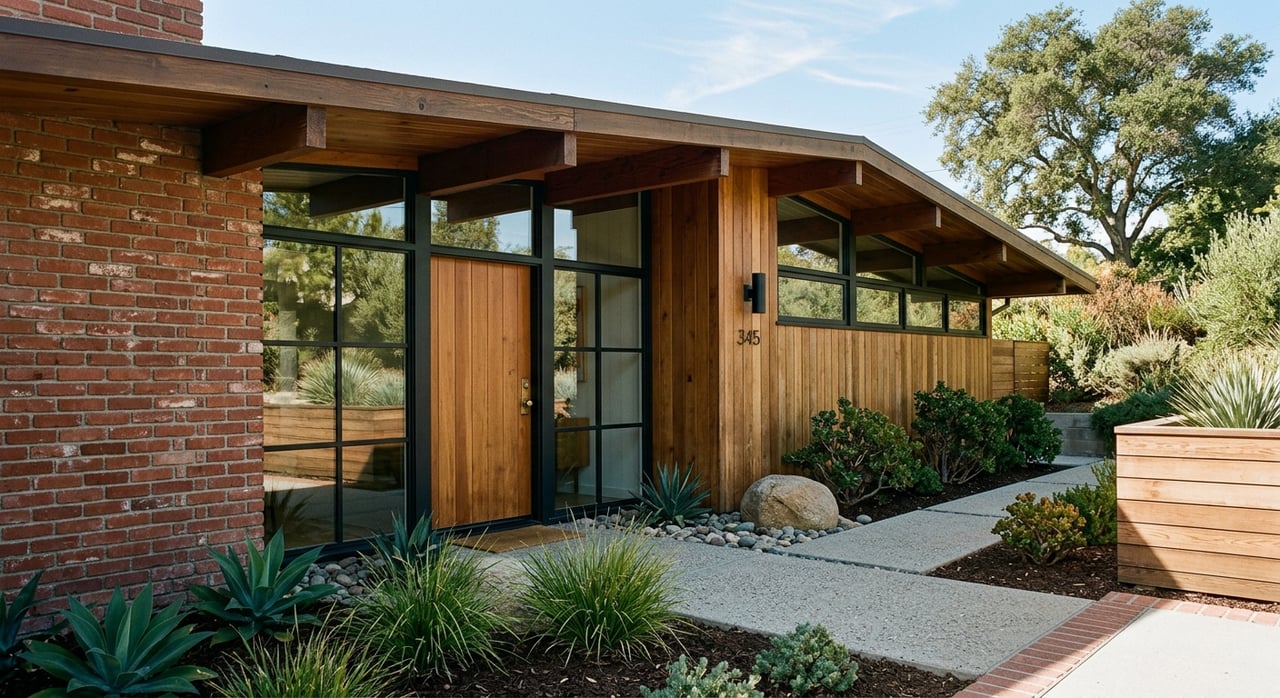
Many walkable blocks close to downtown feature early to mid-20th-century homes, such as bungalows, Tudors, and Colonials. Mature trees and established streetscapes add to the neighborhood character. Renovations are common, and updated homes can blend modern systems with architectural charm.
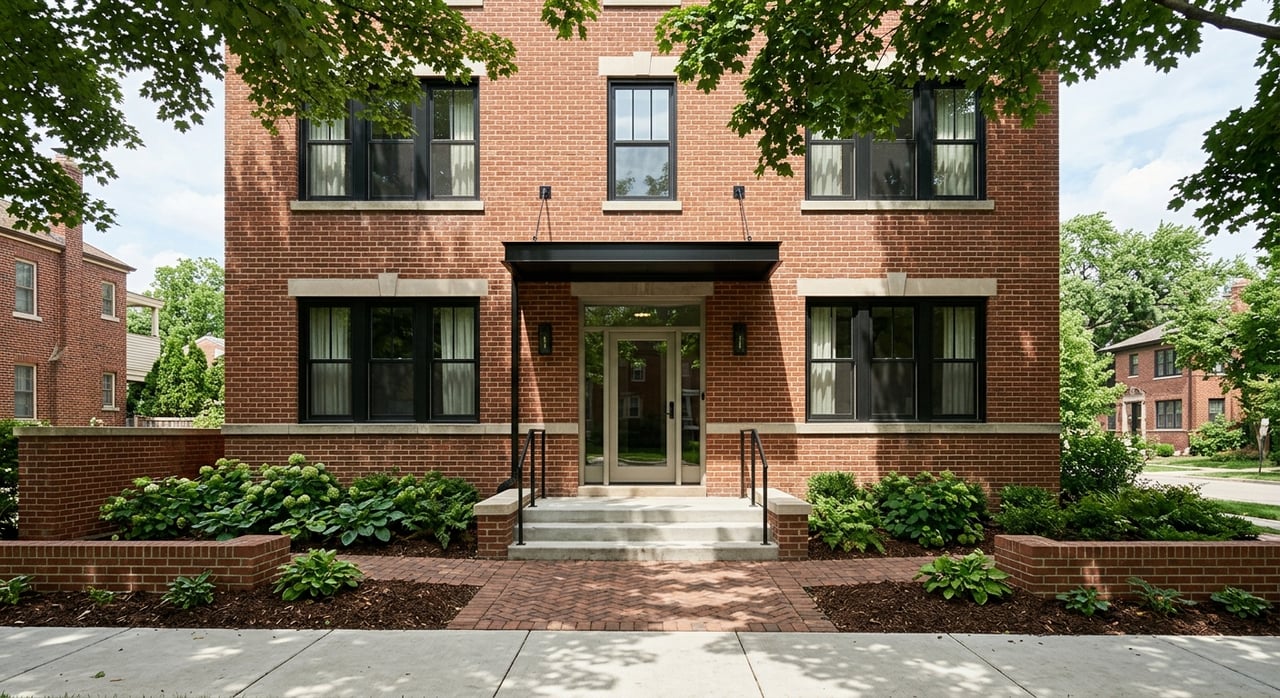
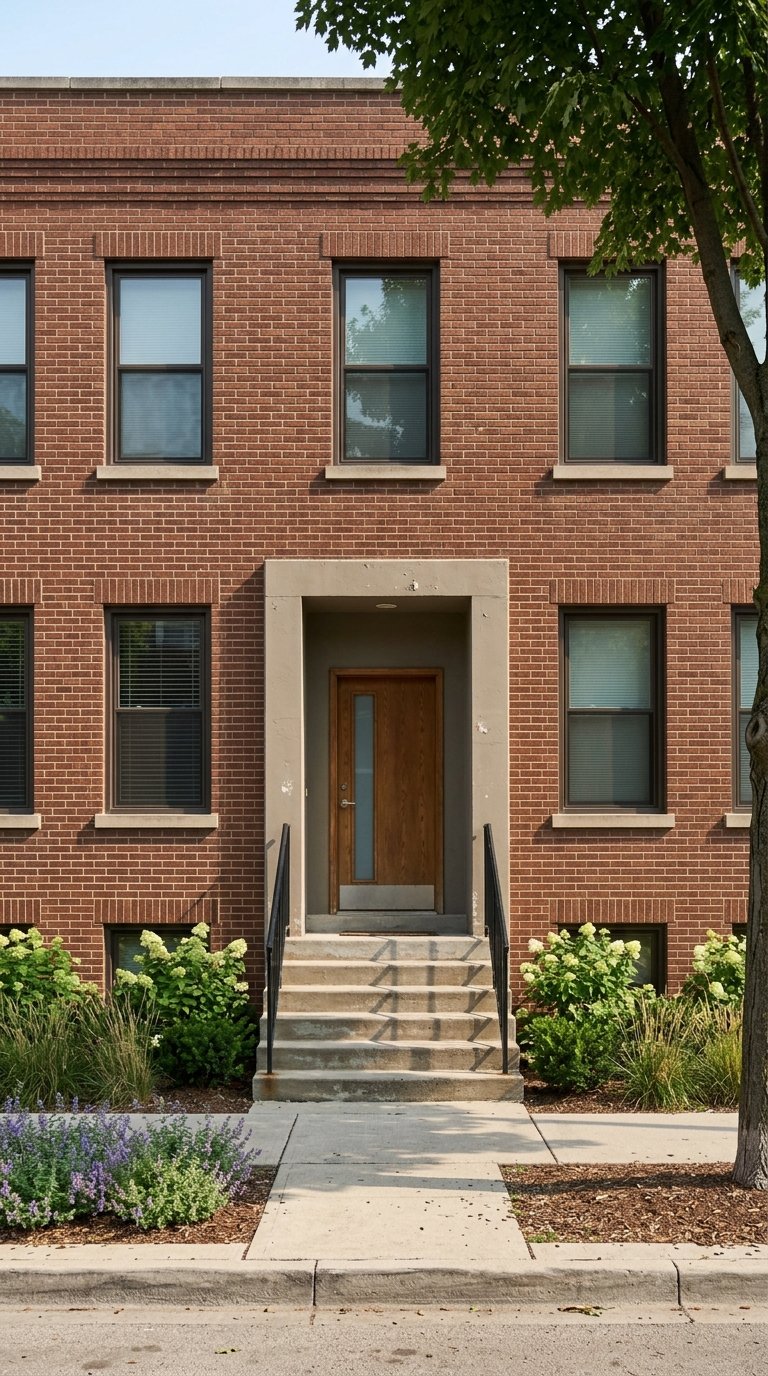
Closer to the commercial core, you’ll find condos, townhomes, and some low to mid-rise apartment buildings. These homes appeal to buyers who want less maintenance, investors seeking strong rental demand near transit, and residents prioritizing walkable convenience.
You may see periodic infill development as well as ongoing renovations to older homes. Newer townhome or condo projects can appear in response to demand for downtown-proximate living, and many owners update kitchens, baths, and mechanicals to meet current expectations.
Homes within walking distance of the Metra and main street amenities usually command a premium. Other factors include square footage, lot size, condition and recent updates, proximity to parks and schools, and curb appeal like trees and sidewalks. If you are comparing neighborhoods, weigh the convenience of a smaller yard and walkable location against the larger lots you might find farther from downtown.
Picture a weekday morning where you lace up for a quick jog on a nearby trail, grab coffee on the way back, then walk to the train. Lunch errands are simple thanks to nearby services, and your after-work plan might be a park concert or dinner at a local spot. On weekends, the calendar often fills with markets, festivals, or museum programs that give you plenty to do close to home. It is a lifestyle shaped by convenience and a steady stream of community events.
Public schools serve as a key consideration for many households, and living near downtown often places you within established attendance zones for local elementary and secondary schools. There are private and parochial options in the broader area, and a local college presence contributes to cultural programming. When evaluating a home, confirm current attendance boundaries and review publicly available school performance data to align with your needs.
Elmhurst is typically perceived as a safe suburban community, and public safety can vary by block. Many prospective residents review recent local crime data and speak with neighbors to understand patterns. The city and park district invest in streetscape maintenance, snow removal, and park care, which supports walkability and year-round access.
DuPage County property taxes are a meaningful part of the ownership picture. Factor in taxes, utilities, insurance, and any potential HOA fees if you are considering condos or townhomes. Homes near creeks or low-lying areas can face flood risk, so check FEMA maps and talk to your lender or insurer about any flood insurance requirements.
You will find municipal lots and on-street options downtown, and many commuters make use of park-and-ride facilities near the station. Street parking rules and meters can affect guest visits and evening plans. Traffic typically peaks during the morning and evening commute, and special events can create temporary congestion or closures.
Older homes near the core can come with renovation opportunities and permitting steps. Lot sizes and yard depths vary, and some downtown-adjacent lots are smaller than those in outlying neighborhoods. Check local guidelines early if you are planning additions, garages, or exterior changes, and ask about any landmark or preservation considerations.
Use simple checks to match the location to your daily routine:
Ready to see how these details line up for you? Talk with the team at Maranda Real Estate Group for a tailored walkthrough of downtown Elmhurst blocks, housing options near the station, and a plan that fits your commute, budget, and lifestyle.
Stay up to date on the latest real estate trends.
If you are in pursuit of real estate agents whose dedication and drive are unparalleled, and who commit to serving your interests with the utmost efficiency and effectiveness, then your search concludes here.
130 W PARK AVE ELMHURST IL 60126 ALBANIA OFFICE MARANDA REAL ESTATE GROUP BLVD GJERGJ FISHTA 7 PALL SHALLVARE TIRANE ALBANIA